
When it comes to creating standout signage for your business, one question always comes up: What’s the best material to use— or Perspex Signs">acrylic, vinyl, or metal? Each material offers different advantages in terms of cost, appearance, durability, and installation. Whether you’re designing a bold building sign, a sleek office logo, or attention-grabbing window graphics, choosing the right signage material can make a big difference in how your brand is perceived.
Let’s break it down in simple terms so you can choose with confidence.
Acrylic, Metal, or Perspex Signs">Acrylic Signs: The Sleek All-Rounder

Best for: Indoor signs, reception areas, illuminated signs, 3D letters
Acrylic (often mistaken for glass) gives you that clean, high-end finish without the fragility or weight. It’s ideal for modern, professional spaces where style matters—think company logos behind a front desk or lightbox signs glowing at night.
-
Pros:
✔ Elegant, glass-like look
✔ Available in various colours and thicknesses
✔ Can be backlit or layered with vinyl
✔ Works well for 3D signage -
Cons:
❌ Scratches more easily than metal
❌ Less suitable for extreme outdoor conditions
If you're going for a clean corporate aesthetic or want LED-lit signage, acrylic is your best friend.
Vinyl Signs: Affordable and Versatile

Best for: Window graphics, temporary promotions, interior branding
Vinyl is basically the “chameleon” of the signage world—it can stick to just about any surface and is perfect for detailed prints and colourful designs. It’s also great for stencil cut window graphics or large format decals on walls and doors.
-
Pros:
✔ Budget-friendly
✔ Ideal for short-term or seasonal signage
✔ Works on windows, vehicles, walls, and more
✔ Quick to install and replace -
Cons:
❌ Not 3D or structural
❌ Can fade or peel with long-term outdoor exposure
Vinyl is perfect if you’re updating promotions regularly or branding your storefront windows.
Metal Signs: Strong and Timeless

Best for: Outdoor business signs, building signs, pylons, roof-mounted signage
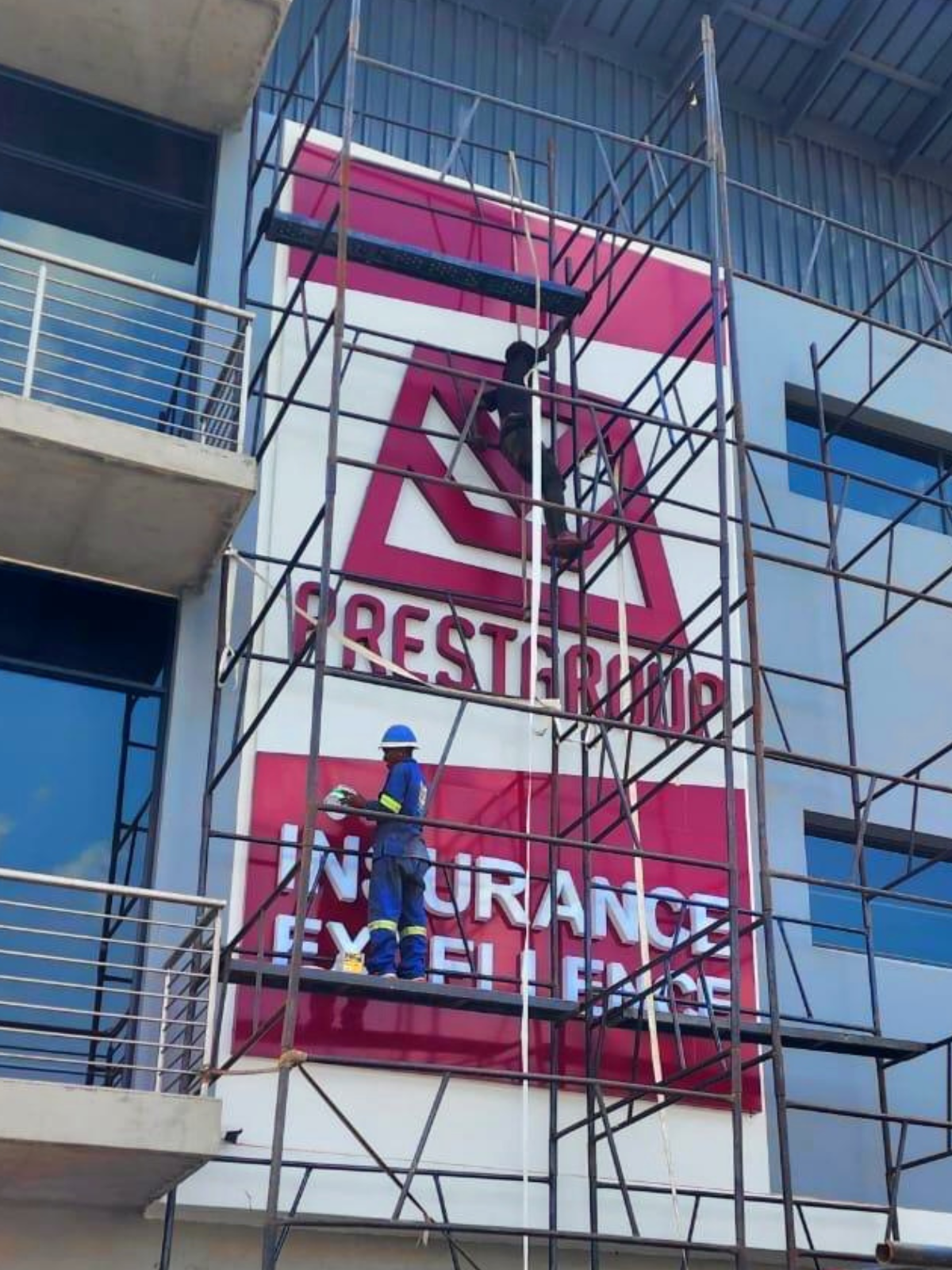
Metal signs scream permanence and authority. Common materials include aluminium, stainless steel, or composite panels like ACM (Aluminium Composite Material). These are often used for cut-out lettering, monument signs, and long-lasting outdoor branding.
-
Pros:
✔ Extremely durable and weather-resistant
✔ Great for high-end, permanent signage
✔ Suitable for laser cutting and CNC detailing
✔ Can be brushed, polished, or powder-coated for different looks -
Cons:
❌ Higher initial cost
❌ Heavier, so installation requires more planning
If your signage needs to survive Joburg sun, wind, and rain while looking professional year after year, metal is your go-to.
So, What’s the Right Material for You?

Choosing the right signage material depends on:
- Where it’s going (indoor vs. outdoor)
- How long it needs to last
- What look you’re going for
- Your budget
💡 Pro Tip: At Millennium Signs, we often blend materials—like layering vinyl on acrylic or mounting cut-out metal letters on cladding—to give you the best of both worlds.
Final Thoughts

Your sign is more than just a name—it’s your brand’s first impression. Whether you're launching a new retail store, refreshing your office space, or updating building signage, selecting the right material ensures your brand shines the way it deserves to.

Still unsure? Contact Millennium Signs and let our experts help you find the perfect solution tailored to your business and budget.