
When it comes to building signage, choosing the right material can make a big difference in how your business looks and how long your signage lasts. Two of the most common options for exterior signage boards are ACM cladding and traditional sign boards. Both serve important roles, but they offer very different benefits depending on your building, branding, and long-term goals.
If you’re planning signage for a commercial building, retail space, dealership, or office park, understanding the difference between these options can help you make the right investment.
What Is ACM Cladding?

ACM (Aluminium Composite Material) cladding is a modern architectural material used to cover building facades. It consists of two thin aluminium sheets bonded to a polyethylene core, creating a lightweight yet extremely durable panel.
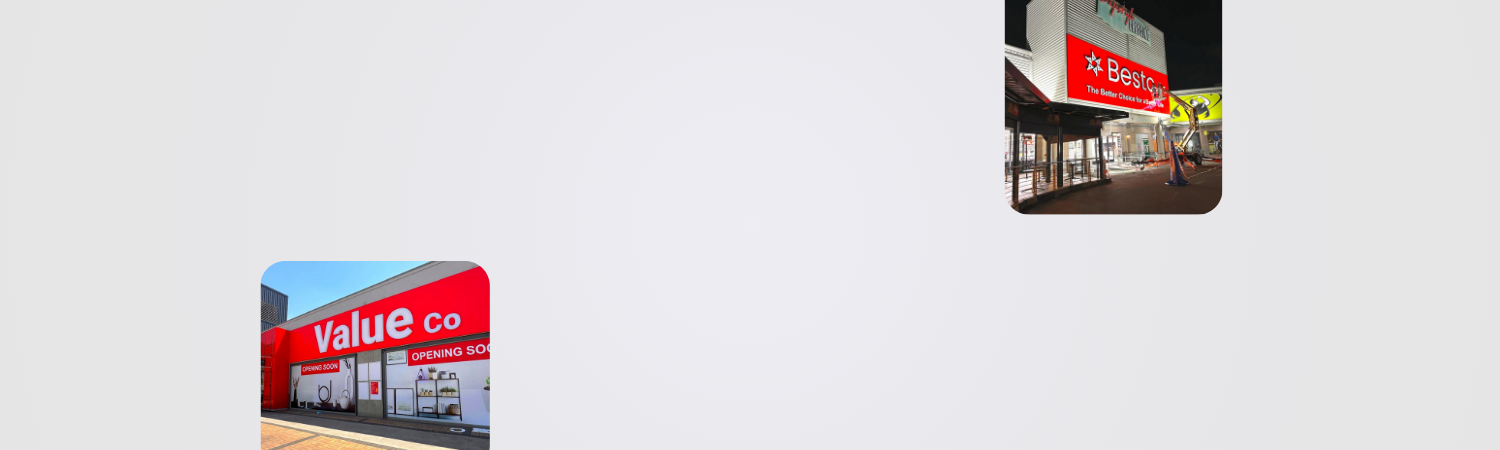
Many modern malls, office buildings, and commercial spaces use ACM cladding as part of their architectural signage and branding.
Benefits of ACM cladding include:
- Clean, modern architectural appearance
- Excellent weather resistance
- Long lifespan with minimal maintenance
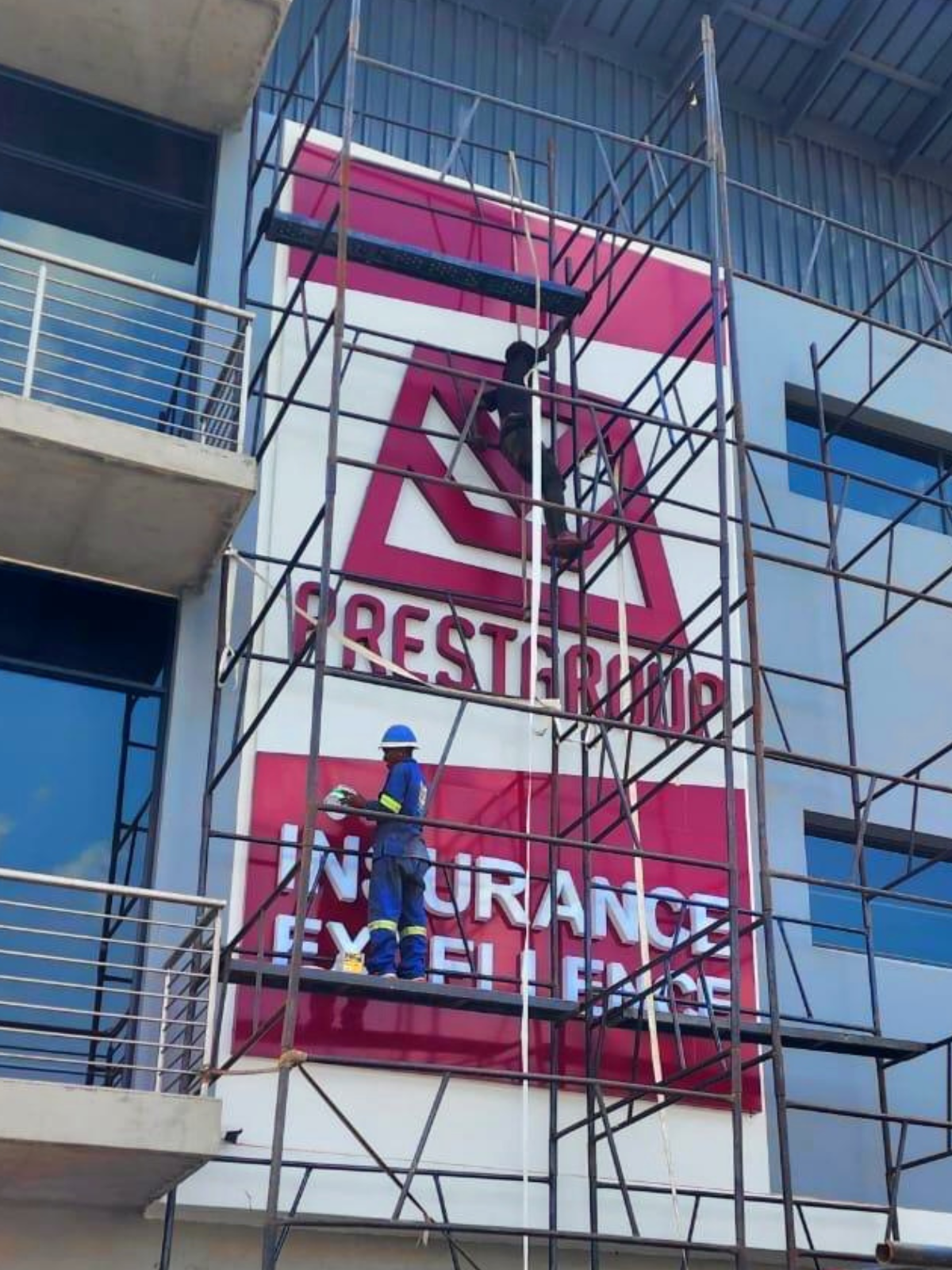
- Perfect surface for 3D signs, LED signage, and lettering
- Improves overall building aesthetics
- Lightweight yet very strong
Because of its smooth finish and durability, ACM is ideal for businesses wanting high-end, professional building signage that integrates directly with the structure.
What Are Traditional Sign Boards?

Traditional signage boards are typically mounted onto existing walls or structures rather than forming part of the building facade. These signs are usually made from materials such as:
- Acrylic signs
- Metal signs
- Perspex signs
- Vinyl signage panels
- Wooden signage boards
Traditional signboards are still widely used for shopfronts, directional signs, and business signs outside buildings.
Benefits of traditional sign boards include:
- Lower upfront cost
- Faster installation
- Easy replacement or updates
- Suitable for small businesses or temporary signage
- Flexible design options
While traditional signboards are effective, they usually sit on top of a building rather than becoming part of its architectural design.
Key Differences Between ACM Cladding and Sign Boards

Understanding the differences can help determine which solution fits your project best.
Appearance
- ACM cladding creates a seamless, premium building facade.
- Traditional signboards are mounted signage panels.
Durability
- ACM panels are highly weather-resistant and long-lasting.
- Signboards may fade or wear faster depending on materials.
Brand Impact
- ACM offers a sleek corporate look ideal for malls, dealerships, and corporate buildings.
- Traditional signage works well for standard storefronts.
Cost
- ACM cladding typically requires a larger investment upfront.
- Sign boards are more budget-friendly.
Installation
- ACM cladding is part of architectural construction or renovation.
- Signboards can be installed quickly on existing walls.
When ACM Cladding Is the Better Choice

ACM cladding is ideal when businesses want high-impact building signage that enhances the entire property.
It works best for:
- Corporate office buildings
- Shopping centres and retail complexes
- Car dealerships
- Property developments
- Industrial parks
- Franchise brands with strict visual identity standards
Because signage elements such as 3D fabricated lettering, channel letters, and illuminated signs can be mounted directly onto the cladding, it creates a polished and professional result.
When Traditional Sign Boards Work Best

Traditional signage boards are still an excellent choice in many situations.
They work well for:
- Small retail shops
- Restaurants and cafes
- Temporary signage
- Budget-conscious businesses
- Directional and informational signage
They’re also useful when businesses want the ability to update signage easily without altering the building structure.
Combining Both for Maximum Impact

Many modern buildings actually use both ACM cladding and traditional signage together.
For example:
- ACM cladding forms the main building facade.
- 3D fabricated signs or LED signs are mounted on the cladding.
- Traditional signage boards are used for directional signs, entrances, or parking areas.
This layered approach creates a professional branding system across the entire property.
Professional Building Signage Makes the Difference

Whether you choose ACM cladding or traditional signage boards, the most important factor is expert design, manufacturing, and installation.
At Millennium Signs, our team works with architects, developers, and businesses across Johannesburg to create custom building signage solutions that combine durability, visual impact, and brand consistency.
From ACM cladding systems and 3D signage to outdoor signs and illuminated signs, we help businesses turn buildings into powerful brand statements.
If you’re planning new building signage or upgrading an existing property, working with experienced signage specialists ensures the final result looks professional and lasts for years.