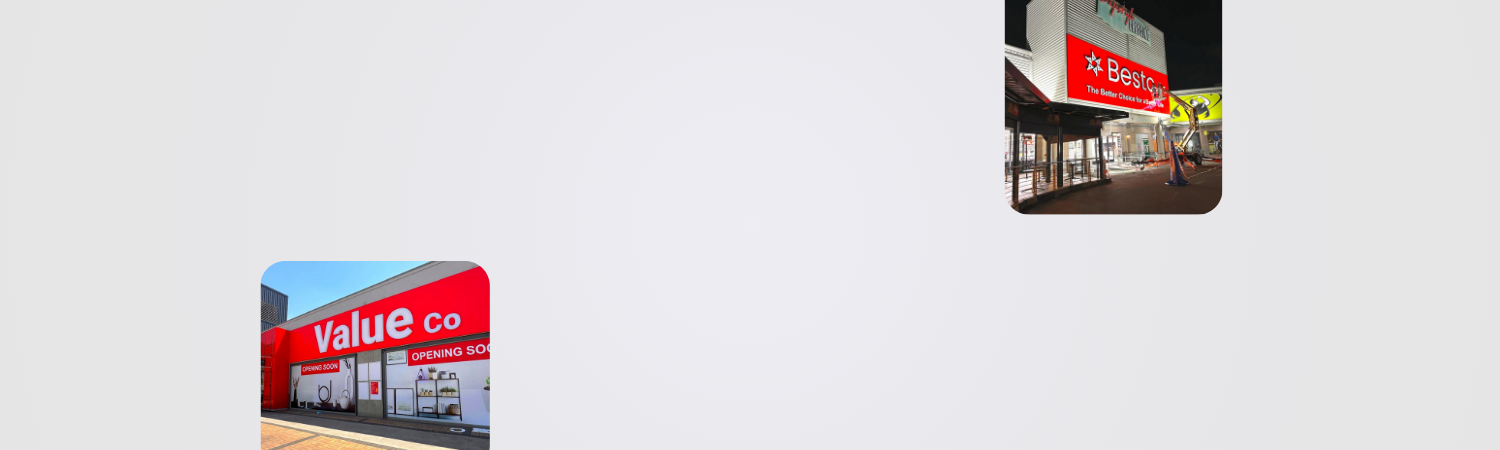

Digital signage has transformed the way businesses communicate with customers. From eye-catching LED displays outside retail stores to massive digital billboards alongside busy roads, electronic signage allows businesses to deliver dynamic messages that capture attention and create engagement.
Unlike traditional signs that display a single message, digital signage can present multiple advertisements, promotions, announcements, and branding messages throughout the day. This flexibility has made digital signage one of the fastest-growing sectors in the signage industry.
At Millennium Signs, we help businesses throughout Johannesburg and South Africa implement modern digital signage solutions that improve visibility, strengthen branding, and attract customers. Here's everything you need to know about how digital signage works and why so many businesses are investing in it.
What Is Digital Signage?

Digital signage refers to electronic displays that use digital technology to present information, advertisements, branding, and visual content.
Unlike static signs, digital signage can be updated instantly without replacing physical graphics.
Common examples include:
- LED signs
- Digital billboards
- Electronic menu boards
- Retail display screens
- Shopping centre displays
- Information screens
- Digital pylon signs
- Interactive displays
These systems allow businesses to communicate more effectively with customers while maintaining complete control over their messaging.
How Does Digital Signage Work?

Digital signage combines hardware and software to display visual content on electronic screens.
The basic system typically includes:
- A digital display screen
- LED technology
- Media player hardware
- Content management software
- Internet or network connectivity (optional)
Content such as images, videos, promotions, and announcements is uploaded to the system and displayed according to a predefined schedule.
This allows businesses to update messaging quickly and efficiently.
What Is LED Signage?

LED stands for Light Emitting Diode.
LED signage uses thousands of tiny LED lights to create bright, highly visible displays.
Benefits of LED technology include:
- High brightness levels
- Energy efficiency
- Long lifespan
- Excellent visibility
- Low maintenance requirements
- Reliable performance
LED signs are commonly used for both indoor and outdoor applications because they remain visible even in bright sunlight.
Types of Digital Signage

Businesses can choose from a variety of digital signage solutions depending on their goals.
Digital Pylon Signs, or Building Signs">Billboards
Digital billboards use large LED displays to deliver advertising messages to passing motorists and pedestrians.
Benefits include:
- Large audience reach
- Dynamic content
- High visibility
- Multiple advertising campaigns
Digital billboards are commonly used along highways, busy roads, and commercial districts.
LED Shopfront Signs
LED shopfront signs help businesses stand out and attract customers.
Common uses include:
- Business identification
- Promotional messaging
- Product advertising
- Brand awareness
These signs are particularly effective in retail environments.
Digital Menu Boards
Restaurants, cafés, and fast-food outlets increasingly use digital menu boards.
Advantages include:
- Easy updates
- Promotional flexibility
- Professional appearance
- Reduced printing costs
Digital menus allow businesses to make changes instantly when pricing or products change.
Digital Pylon Signs
Digital pylon signs combine traditional pylon structures with electronic display technology.
Benefits include:
- Excellent roadside visibility
- Dynamic advertising
- Multiple message capability
- Strong branding opportunities
These signs are popular in shopping centres, business parks, and commercial developments.
Why Businesses Choose Digital Signage

Digital signage offers several advantages over traditional static signage.
Dynamic Content
One of the biggest benefits is the ability to display multiple messages throughout the day.
Businesses can:
- Promote products
- Advertise special offers
- Display announcements
- Highlight events
- Update information instantly
This flexibility allows businesses to keep content relevant and engaging.
Greater Customer Engagement
Moving content naturally attracts attention.
Digital signage often generates higher engagement because it can display:
- Videos
- Animations
- Rotating advertisements
- Interactive content
Dynamic displays help businesses stand out in crowded environments.
Real-Time Updates
Traditional signs often require printing and installation when changes are needed.
Digital signage allows businesses to:
- Update promotions instantly
- Adjust pricing
- Schedule campaigns
- Display time-sensitive information
This saves both time and money.
Improved Brand Image
Modern digital displays create a professional and innovative appearance.
Businesses that invest in digital signage often benefit from:
- Enhanced credibility
- Stronger branding
- Increased customer confidence
- Improved visual appeal
Digital signage demonstrates a commitment to modern communication and customer engagement.
Is Digital Signage Better Than Traditional Signage?

Both digital and traditional signage have advantages.
Traditional signage offers:
- Lower upfront costs
- Long-term durability
- Simplicity
- Permanent branding
Digital signage offers:
- Dynamic content
- Instant updates
- Higher engagement
- Multiple messages
- Greater flexibility
Many businesses achieve the best results by combining both solutions.
For example:
- Building signs provide permanent branding
- Digital displays promote current offers
- LED signs increase visibility
- Directional signage improves navigation
Together, they create a complete signage strategy.
What Makes Effective Digital Signage?
Successful digital signage should:
- Use clear messaging
- Maintain strong branding
- Feature high-quality visuals
- Display readable content
- Avoid information overload
- Be strategically positioned
Well-designed content performs significantly better than overly complicated displays.
How Millennium Signs Helps Businesses Modernise Their Signage

At Millennium Signs, we provide a range of digital signage solutions tailored to business needs.
Our services include:
- Digital signage consultation
- Custom LED signs
- Digital billboards
- Illuminated signage
- Digital display pylons
- Sign design and manufacturing
- Professional installation
We help businesses create modern signage systems that attract attention and deliver measurable results.
Final Thoughts

Digital signage has revolutionised business communication by providing flexible, dynamic, and highly visible advertising solutions. Whether you're using LED signs, digital billboards, electronic menu boards, or digital pylon displays, digital signage offers powerful opportunities to engage customers and strengthen your brand.
As technology continues to evolve, digital signage will play an increasingly important role in helping businesses remain visible, competitive, and connected with their audiences.