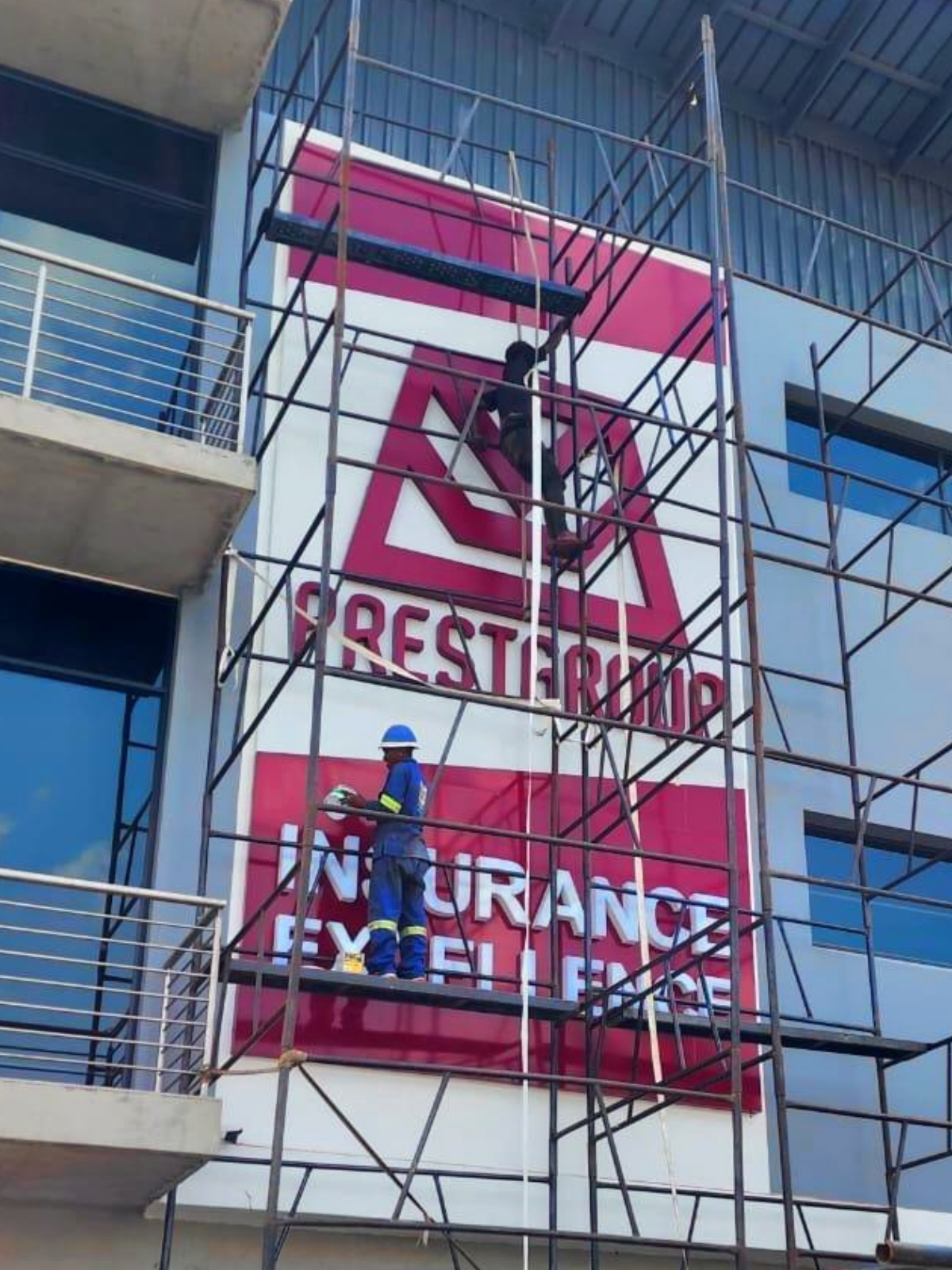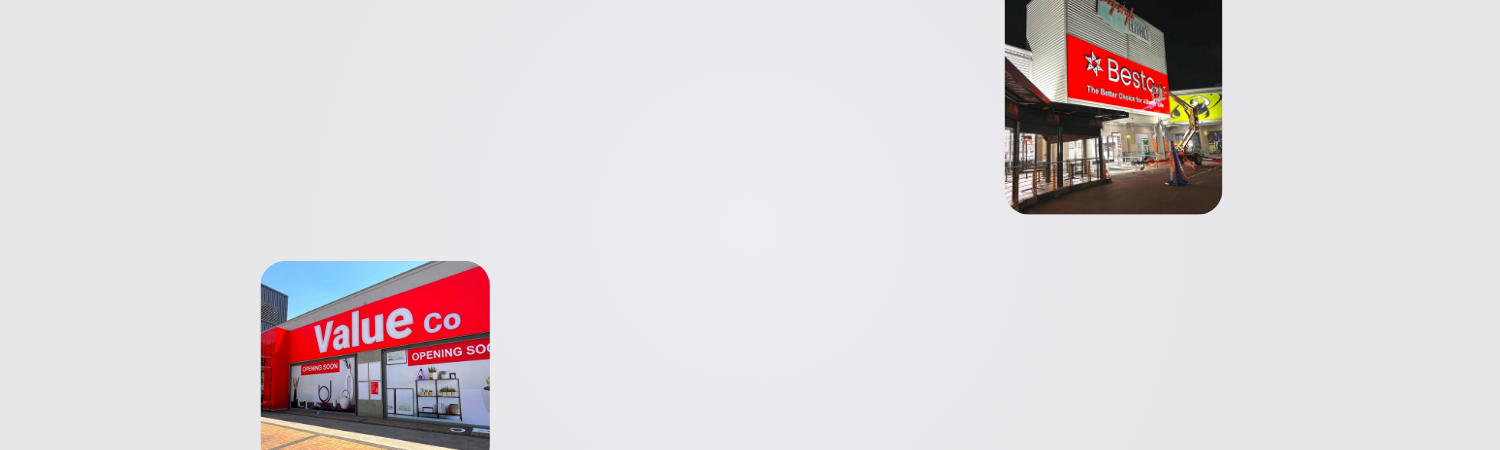

Have you ever driven past a striking illuminated sign, a large building sign, or a beautifully crafted 3D logo and wondered how it was made?
Professional signage is much more than printing a logo onto a board. Behind every successful sign is a detailed process that combines design expertise, quality materials, precision manufacturing, and professional installation.
At Millennium Signs, we manage the entire process from concept to completion, helping businesses throughout Johannesburg and South Africa create signage that enhances visibility, strengthens branding, and attracts customers.
Here's a closer look at how business signs are made.
Step 1: Understanding the Client's Requirements

Every successful signage project starts with understanding the client's goals.
During the consultation stage, key factors are discussed:
- Business objectives
- Brand identity
- Location requirements
- Sign dimensions
- Budget considerations
- Indoor or outdoor use
- Illumination requirements
This information helps determine the most effective signage solution for the project.
A sign designed for a shopping centre, for example, will have very different requirements from one intended for an industrial facility or office reception area.
Step 2: Custom Signage Design

Once the project requirements are established, the design phase begins.
Professional designers create concepts that reflect the client's brand while ensuring maximum visibility and readability.
The design process often includes:
- Logo integration
- Colour selection
- Typography choices
- Layout planning
- Material recommendations
- Visual mock-ups
The goal is to create signage that not only looks attractive but also performs effectively in its intended environment.
Step 3: Selecting the Right Materials

Material selection plays a major role in the quality and longevity of the finished sign.
Common signage materials include:
- Acrylic
- Perspex
- Aluminium
- Stainless steel
- Vinyl
- ACM panels
- Wood
- Composite materials
The ideal material depends on:
- Installation location
- Weather exposure
- Branding requirements
- Budget
- Lighting requirements
Choosing the right materials ensures the sign remains durable, attractive, and functional for years.
Step 4: Precision Manufacturing

After design approval, the sign moves into production.
Modern signage manufacturing uses advanced equipment and fabrication techniques to achieve precise results.
Common manufacturing processes include:
- CNC cutting
- Laser cutting
- Vinyl printing
- Digital printing
- Fabrication and welding
- Acrylic shaping
- LED integration
- Surface finishing
These technologies allow manufacturers to create everything from simple directional signs to complex illuminated displays and large-format building signage.
CNC Cut Signs and Laser Cut Letters

CNC and laser cutting technologies are widely used in modern sign manufacturing.
Benefits include:
- Exceptional precision
- Consistent quality
- Detailed lettering
- Complex shapes
- Professional finishes
These methods are commonly used for:
- 3D fabricated lettering
- Logo elements
- Architectural signage
- Custom branding displays
Precision cutting ensures every component matches the approved design specifications.
Step 5: Fabrication and Assembly

Many signs require multiple components to be assembled into a finished product.
Fabrication may involve:
- Constructing letter forms
- Mounting sign panels
- Installing LED systems
- Creating support structures
- Applying vinyl graphics
- Finishing and detailing
For illuminated signs, electrical components are carefully integrated during this stage.
Attention to detail during fabrication contributes significantly to the final quality of the signage.
Step 6: Quality Control and Inspection
Before installation, every sign undergoes thorough quality checks.
Inspection typically includes:
- Structural integrity
- Colour accuracy
- Lighting functionality
- Graphic alignment
- Surface finish quality
- Compliance with approved designs
This stage ensures the final product meets both client expectations and industry standards.
Step 7: Professional Sign Installation

Even the best sign can underperform if installed incorrectly.
Professional installation ensures:
- Proper alignment
- Structural safety
- Compliance with regulations
- Long-term durability
- Maximum visibility
Installation methods vary depending on the signage type.
Examples include:
- Wall-mounted signs
- Roof-mounted signs
- Freestanding pylon signs
- Window graphics
- Reception signage
- Billboard installations
Experienced installers use specialised equipment to ensure signs are securely and accurately positioned.
Why Professional Installation Matters
Proper installation affects:
- Sign lifespan
- Safety
- Visual appearance
- Structural performance
- Maintenance requirements
Incorrect installation can result in damage, reduced visibility, and costly repairs.
Working with experienced professionals helps protect your investment.
What Happens After Installation?
Many businesses overlook the importance of ongoing maintenance.
Regular maintenance can include:
- Cleaning
- Electrical inspections
- LED replacements
- Structural inspections
- Graphic repairs
- Refurbishment
Proper maintenance helps signage remain attractive and functional for years.
How Millennium Signs Delivers End-to-End Signage Solutions

At Millennium Signs, we provide a complete signage service that covers every stage of the process.
Our services include:
- Custom signage design
- Sign manufacturing
- CNC cut signs
- Laser cut lettering
- Illuminated signage
- Building signs
- Office signage
- Professional installation
- Maintenance and repairs
By managing projects from design to installation, we ensure consistency, quality, and outstanding results.
Final Thoughts

Creating effective business signage involves far more than simply producing a sign. From initial consultation and design through material selection, manufacturing, fabrication, quality control, and installation, every stage plays an important role in the success of the finished product.
Partnering with an experienced signage company ensures your business receives professional signage that looks great, performs effectively, and delivers long-term value. Whether you need outdoor signs, illuminated displays, office signage, or custom fabricated lettering, a well-executed process is the foundation of exceptional results.