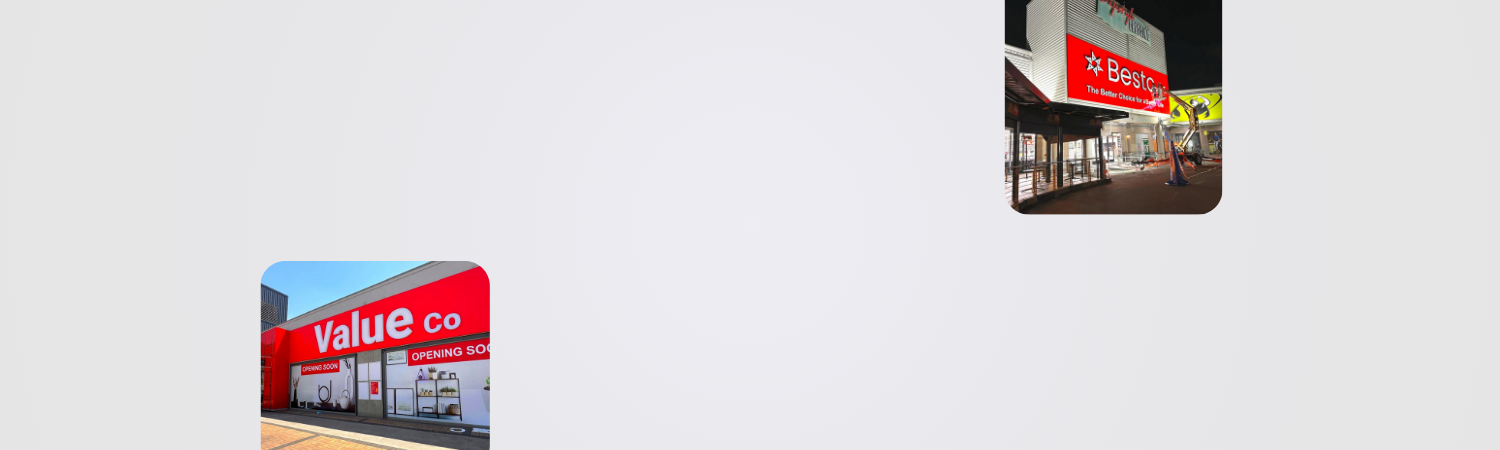

In today's competitive business environment, visibility is everything. If customers can't easily find your business, you're missing valuable opportunities. That's why illuminated signage has become one of the most popular investments for companies looking to increase brand awareness, attract foot traffic, and create a professional image.
Among the most popular illuminated signage options are LED backlit signs and lightbox signage. While both are designed to improve visibility, they differ significantly in appearance, construction, and ideal applications.
So which option is right for your business? Let's take a closer look.
What Are Illuminated Signs?

Illuminated signs are signs that use lighting to improve visibility, especially during evenings, early mornings, and poor weather conditions. They are commonly used for shopfronts, office buildings, shopping centres, dealerships, restaurants, and commercial developments.
Popular forms of illuminated signage include:
• LED backlit signs
• Lightbox signage
• Channel letters
• Custom LED signs
• Digital signage displays
• billboards" title="
billboards">Backlit billboards
The main goal is simple: make your business more visible and memorable.
What Are LED Backlit Signs?

LED backlit signs use LED lighting positioned behind individual letters, logos, or shapes. The light creates a halo or glow effect around the sign, producing a sophisticated and modern appearance.
These signs are often manufactured using:
• Metal, or Perspex Signs">Acrylic signs
• Perspex signs
• Metal signs
• CNC cut signs
• Laser cut letters
LED backlit signs are particularly popular for corporate offices, premium retail stores, hotels, restaurants, and commercial buildings where brand image is a priority.
Advantages of LED Backlit Signs
• Premium and professional appearance
• Strong brand impact
• Energy-efficient LED technology
• Long lifespan and low maintenance
• Highly visible at night
• Customisable colours, sizes, and designs
Potential Limitations
• Higher initial investment
• More complex manufacturing and installation process
What Is Lightbox Signage?

Lightbox signage consists of a box structure with internal LED lighting and a printed face panel. The entire sign face illuminates evenly, making graphics, logos, and messages highly visible.
Lightboxes are commonly used for:
• Retail signage
• Shopping centres
• Petrol stations
• Restaurants
• Promotional signage
• Directional signs
A light box sign provides maximum visibility and can display detailed branding or promotional messages.
Advantages of Lightbox Signage
• Excellent visibility from a distance
• Cost-effective illuminated signage solution
• Ideal for displaying logos and graphics
• Easy to update or replace sign faces
• Suitable for both indoor and outdoor signs
Potential Limitations
• Less premium appearance compared to backlit lettering
• Larger physical footprint
LED Backlit Signs vs Lightboxes: Key Differences

Appearance
LED backlit signs offer a sleek, modern, high-end look that enhances brand prestige. The halo lighting effect creates a sophisticated visual impact.
Lightbox signage focuses more on functionality and visibility. The illuminated face is bright and easy to read but generally lacks the premium appearance of backlit lettering.
Visibility
Both options provide excellent visibility.
LED backlit signs are highly effective for branding and creating visual appeal.
Lightboxes excel when displaying larger amounts of information, promotional graphics, or detailed logos.
Cost
Lightbox signage is usually more affordable and provides excellent value for businesses seeking maximum visibility within a fixed budget.
LED backlit signs typically involve higher manufacturing costs due to custom fabrication and precision installation.
Maintenance
Both solutions use energy-efficient LEDs and require relatively little maintenance. However, lightboxes may require occasional replacement of printed graphics, while LED backlit signs generally maintain their appearance for many years.
What Are Digital Signages?

Digital signage refers to electronic displays that show dynamic content such as videos, advertisements, promotions, menus, announcements, and brand messaging.
Examples include:
• Digital billboards
• LED display screens
• Interactive information displays
• Electronic menu boards
Unlike traditional illuminated signage, digital signage allows content to be updated instantly without replacing physical graphics.
Businesses often use digital signage alongside LED backlit signs and lightboxes to create a complete branding and advertising strategy.
Which Option Should You Choose?

Choose LED Backlit Signs if:
• You want a premium corporate image
• Brand perception is a top priority
• Your signage is a permanent feature of your building
• You want a modern architectural look
Choose Lightbox Signage if:
• Maximum visibility is your main goal
• You frequently update promotions or graphics
• You need a cost-effective illuminated signage solution
• You want bright, easy-to-read signage
Many businesses actually combine both options, using LED backlit signs for their main branding and lightbox signage for promotional or directional applications.
Why Professional Signage Matters

The quality of your illuminated signage directly impacts how customers perceive your business. Poorly designed or outdated signs can reduce credibility, while professionally manufactured signs help establish trust and increase visibility.
At Millennium Signs, we design, manufacture, and install custom LED signs, lightbox signage, building signs, and illuminated signage solutions tailored to your business goals. With over 30 years of industry experience, our team helps businesses across Johannesburg and Gauteng create signage that delivers lasting results.
Whether you're looking for striking LED backlit signs or high-impact lightbox signage, choosing the right solution can help your business stand out day and night.