
3D Signs vs Flat Signs: Which Makes a Bigger Impact?
Your business sign is much more than a way to display your company name—it's one of your strongest marketing tools. A well-designed sign attracts attention, builds trust, strengthens your brand, and helps customers find your business.
When choosing new signage, one of the biggest decisions is whether to invest in 3D signs or traditional flat signs. While both have their advantages, the right choice depends on your branding goals, location, budget, and the impression you want to leave on customers.
Let's compare the two and see which option delivers the greatest impact.
What Are Examples of Business Signage?

Businesses today have a wide variety of signage options available, including:
- 3D fabricated letters
- Channel letters
- Flat acrylic signs
- Metal signs
- Perspex signs
- LED illuminated signs
- Reception signs
- Window graphics
- Building signs
- Pylon signs
- Directional signage
- Safety signage
Each type serves a different purpose, but they all help improve visibility, professionalism, and customer experience.
What Are Flat Signs?

Flat signs are made from materials such as acrylic, aluminium composite panels (ACM), PVC, vinyl, or metal. The graphics are either printed directly onto the surface or applied using high-quality vinyl.
Flat signs are popular because they are:
- Affordable for most businesses.
- Quick to manufacture.
- Ideal for temporary promotions.
- Suitable for indoor and outdoor use.
- Easy to maintain.
They remain one of the most versatile signage solutions for offices, retail stores, warehouses, schools, and industrial facilities.
What Are 3D Signs?

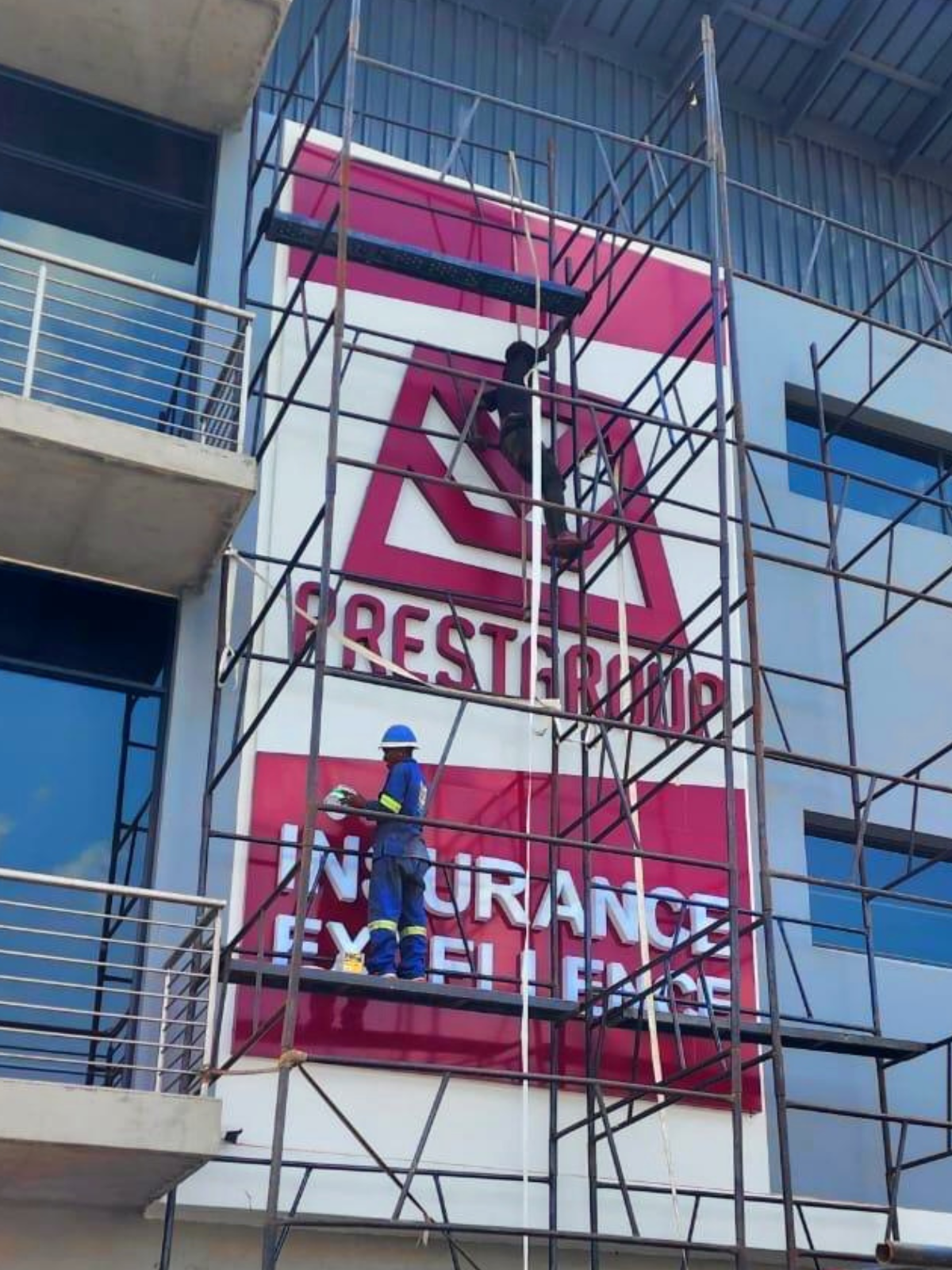
Unlike flat signs, 3D signs use raised lettering or logos that physically project away from the wall. These signs create depth, shadows, and dimension that naturally draw people's attention.
Common examples include:
- Fabricated aluminium letters.
- Acrylic cut-out letters.
- Laser-cut stainless steel lettering.
- Channel letters with LED lighting.
- Backlit company logos.
- Reception feature walls.
Because of their premium appearance, 3D signs are commonly used by shopping centres, corporate offices, restaurants, hotels, medical centres, dealerships, and luxury retailers.
Benefits of 3D Signage

There are several reasons why businesses choose fabricated lettering over flat signs.
1. Greater Visibility
The shadows created by raised letters make them easier to notice, especially from a distance. This extra dimension helps your signage stand out even without illumination.
2. Premium Appearance
Customers often associate quality signage with quality products and services. Fabricated lettering gives businesses a more professional and established image.
3. Better Brand Recognition
Distinctive signage is easier to remember. A three-dimensional company logo leaves a stronger visual impression than a flat printed board.
4. Excellent Day and Night Performance
When combined with LED lighting, channel letters remain visible long after sunset, helping businesses attract customers around the clock.
5. Long-Term Durability
High-quality fabricated letters are built using durable materials such as aluminium, acrylic, stainless steel, and powder-coated finishes that withstand South Africa's weather conditions.
When Flat Signs Are the Better Choice

Although 3D signage offers many advantages, flat signs remain the ideal solution for many applications.
Flat signage works well when:
- You have a limited budget.
- You need large informational signs.
- You require temporary promotional signage.
- You need safety or compliance signs.
- Your sign contains lots of detailed information.
Flat signs are also excellent for directional signage, construction signage, menus, and wayfinding systems where readability is more important than visual impact.
When Should You Choose 3D Signs?

If your goal is to create a memorable first impression, attract more foot traffic, and strengthen your brand identity, 3D signage is often worth the investment.
Businesses that benefit most include:
- Shopping centres.
- Retail stores.
- Corporate offices.
- Car dealerships.
- Restaurants.
- Hotels.
- Medical practices.
- Property developments.
Premium signage often pays for itself by increasing visibility and reinforcing customer confidence.
Can You Combine Both?

Absolutely.
Many businesses achieve the best results by combining flat signage with fabricated letters.
For example, you might use:
- 3D channel letters for your main building sign.
- Flat directional signs throughout your premises.
- Window graphics for promotions.
- Safety signage for compliance.
- Reception signage using raised acrylic lettering.
This approach creates consistency while keeping costs under control.
Which Option Makes the Bigger Impact?

If visual impact is your priority, there's no contest—3D fabricated signs create a stronger presence than flat signage. Their depth, premium appearance, and ability to incorporate LED lighting make them one of the most effective branding tools available.
However, flat signs remain an excellent solution for informational, promotional, and compliance applications. The best signage strategy often combines both styles to maximise functionality and brand recognition.
Partner with Millennium Signs

At Millennium Signs, we design, manufacture, and install premium custom signage for businesses throughout Johannesburg and Gauteng. Whether you're looking for eye-catching fabricated letters, illuminated channel letters, modern office signage, or durable outdoor building signs, our experienced team can recommend the right solution for your business.
From concept and design to professional installation, we help businesses create signage that leaves a lasting impression.