
When designing custom signage, one of the first decisions you'll need to make is choosing the right material. The material influences everything from appearance and durability to maintenance and long-term value.
Three of the most popular choices for commercial signage are metal signs, and perspex signs. Each offers distinct advantages depending on your business goals, location, and branding requirements.
So which material is best for your business? Let's compare the options.
Why Sign Material Matters

The right signage material can help:
• Improve visual appeal
• Increase durability
• Enhance brand perception
• Reduce maintenance costs
• Maximize return on investment
Choosing the wrong material may result in unnecessary repairs, shorter lifespan, or a sign that doesn't align with your brand image.
What Are Metal Signs?

Metal signs are manufactured using materials such as aluminium, stainless steel, mild steel, or other metals.
They are commonly used for:
• Building signs
• Industrial signage
• Corporate branding
• Outdoor signs
• Architectural signage
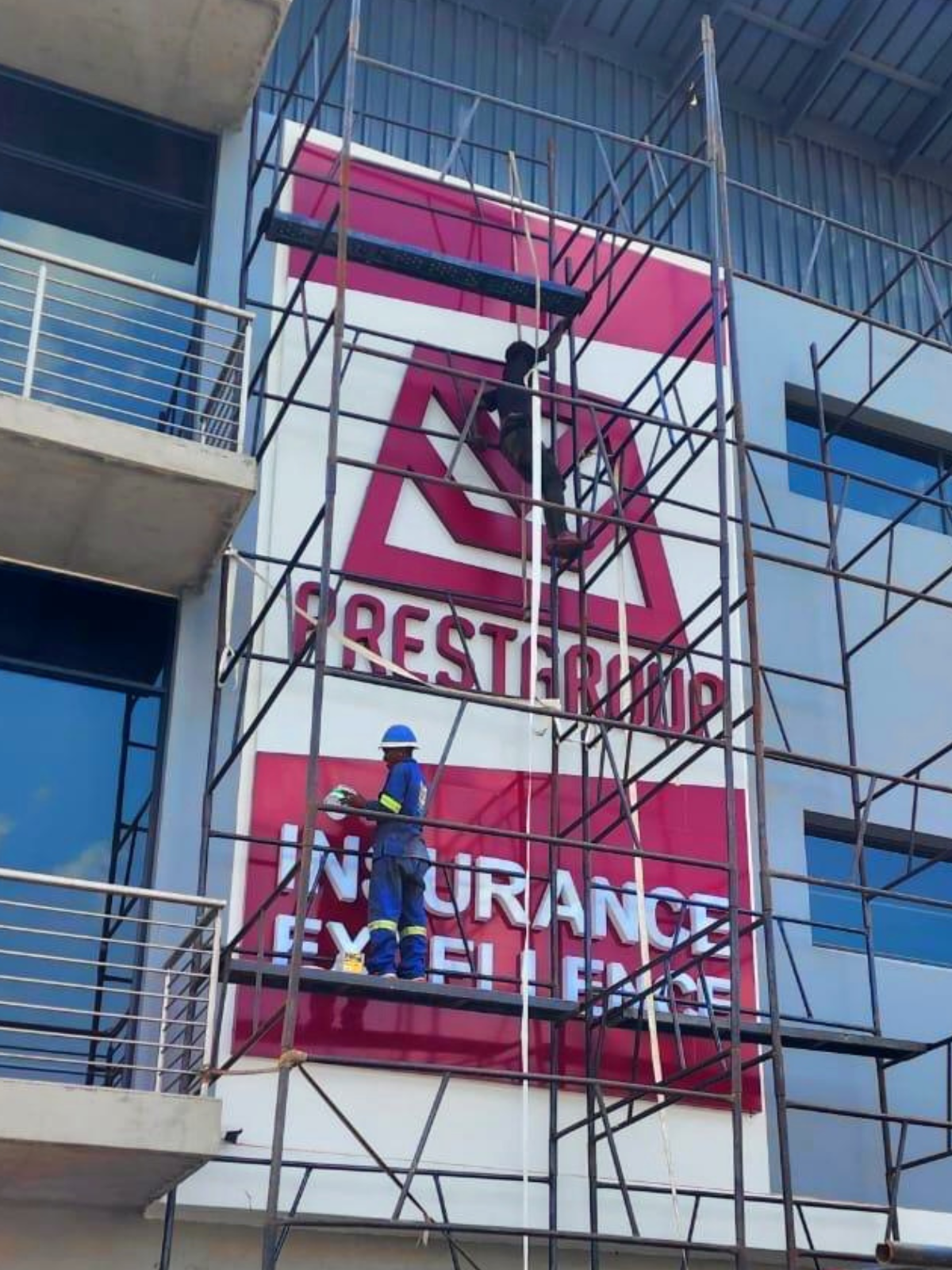
• 3D fabricated lettering
Metal signage is known for its durability and high-end appearance.
Advantages of Metal Signs
• Exceptional durability
• Premium professional appearance
• Strong weather resistance
• Long lifespan
• Suitable for large-scale installations
Many businesses choose metal signs when they want to project strength, prestige, and permanence.
Potential Limitations
• Higher manufacturing costs
• Heavier than acrylic or perspex options
• Installation may require additional structural support
For businesses seeking long-term performance, metal remains one of the strongest signage materials available.
What Are Perspex Signs?

Perspex is a brand name often used to describe acrylic sheet materials. In the signage industry, the terms acrylic signs and perspex signs are frequently used interchangeably.
However, many businesses specifically request perspex because of its reputation for quality and versatility.
Perspex signs are commonly used for:
• Office branding
• Retail signage
• Window displays
• Wall-mounted signs
• Reception signs
Advantages of Perspex Signs
• Attractive glass-like appearance
• Lightweight construction
• Cost-effective solution
• Suitable for custom shapes and designs
• Available in clear, coloured, and frosted finishes
Perspex offers a balance between affordability and professional presentation.
Potential Limitations
• Can be damaged by heavy impacts
• May require careful cleaning to maintain appearance
Comparing Metal, and Perspex Signs

Appearance
Best Choice: Metal
Metal signs provide a premium and prestigious look, while perspex offer a sleek, modern finish.
Durability
Best Choice: Metal
Metal signage generally provides the greatest resistance to weather, impacts, and long-term wear.
Cost
Best Choice: Perspex
Perspex signs are often more affordable than custom-fabricated metal signage while still offering a professional appearance.
Weight
Best Choice: Perspex
These materials are lighter and easier to install than metal signs.
Customization
Best Choice: Perspex
These materials can be easily cut, shaped, illuminated, and customized for various applications.
Which Material Is Best for Indoor Signage?

For indoor environments such as offices, reception areas, and retail spaces, perspex signs are often the preferred choice.
Benefits include:
• Professional appearance
• Lightweight installation
• Cost-effective customization
• Compatibility with modern interiors
These materials create a polished and welcoming environment.
Which Material Is Best for Outdoor Signage?

For outdoor signs exposed to weather conditions, metal signage is often the strongest option.
Applications include:
• Building signs
• Outdoor branding
• Industrial facilities
• Commercial developments
However, perspex can also perform well outdoors when manufactured using high-quality materials and proper installation methods.
Can These Materials Be Illuminated?

Yes.
All these materials can be incorporated into illuminated signage solutions such as:
• LED backlit signs
• Channel lettering
• Lightbox signage
• Halo-lit signs
Combining quality materials with LED technology can dramatically improve visibility and brand impact.
How to Choose the Right Material

When selecting signage materials, consider:
• Budget
• Brand image
• Installation location
• Durability requirements
• Lighting preferences
There is no universal solution—the best material depends on your specific project objectives.
Why Professional Sign Manufacturing Matters

The quality of fabrication is just as important as the material itself.
Professional sign manufacturers ensure:
• Precision cutting
• Durable finishes
• Proper installation methods
• Long-term performance
Even the best material can underperform if it is poorly manufactured or installed.
Find the Right Signage Solution with Millennium Signs

At Millennium Signs, we manufacture and install high-quality metal signs, perspex signs, illuminated signage, and custom branding solutions for businesses throughout Johannesburg and Gauteng.
With over 30 years of experience, our team helps clients select the ideal materials for their signage projects based on visibility goals, branding requirements, and budget considerations.
Whether you're looking for a sleek reception sign, a durable metal building sign, or custom perspex branding, choosing the right material can make a lasting difference in your business's visibility and professional image.