
Whether you're opening a retail store, fitting out new offices, or upgrading your company's branding, installing signage is more than simply choosing attractive colours and materials. Every business should understand the regulations that govern signage to ensure their investment is safe, compliant, and approved where necessary.
South African signage regulations exist to protect public safety, reduce visual clutter, preserve municipal standards, and ensure businesses provide essential safety information. While requirements differ between municipalities, there are several important rules that apply to most commercial signage projects.
Why Signage Regulations Matter

Business signage represents your brand, but poorly installed or non-compliant signage can result in:
- Municipal fines or enforcement notices.
- Delayed business openings.
- Removal of illegal signage.
- Safety risks for employees and the public.
- Higher replacement and repair costs.
Planning your signage correctly from the beginning helps avoid these unnecessary expenses.
Municipal Approval for Outdoor Signage

Many outdoor signs require approval from the local municipality before installation. Depending on your location and the size of the sign, approval may be needed for:
- Building-mounted signs.
- Pylon signs.
- Billboards.
- Roof-mounted signage.
- Illuminated signs.
- Freestanding advertising structures.
Municipal officials typically consider factors such as traffic visibility, structural safety, zoning regulations, neighbouring properties, and the overall appearance of the surrounding area.
Building and Structural Compliance
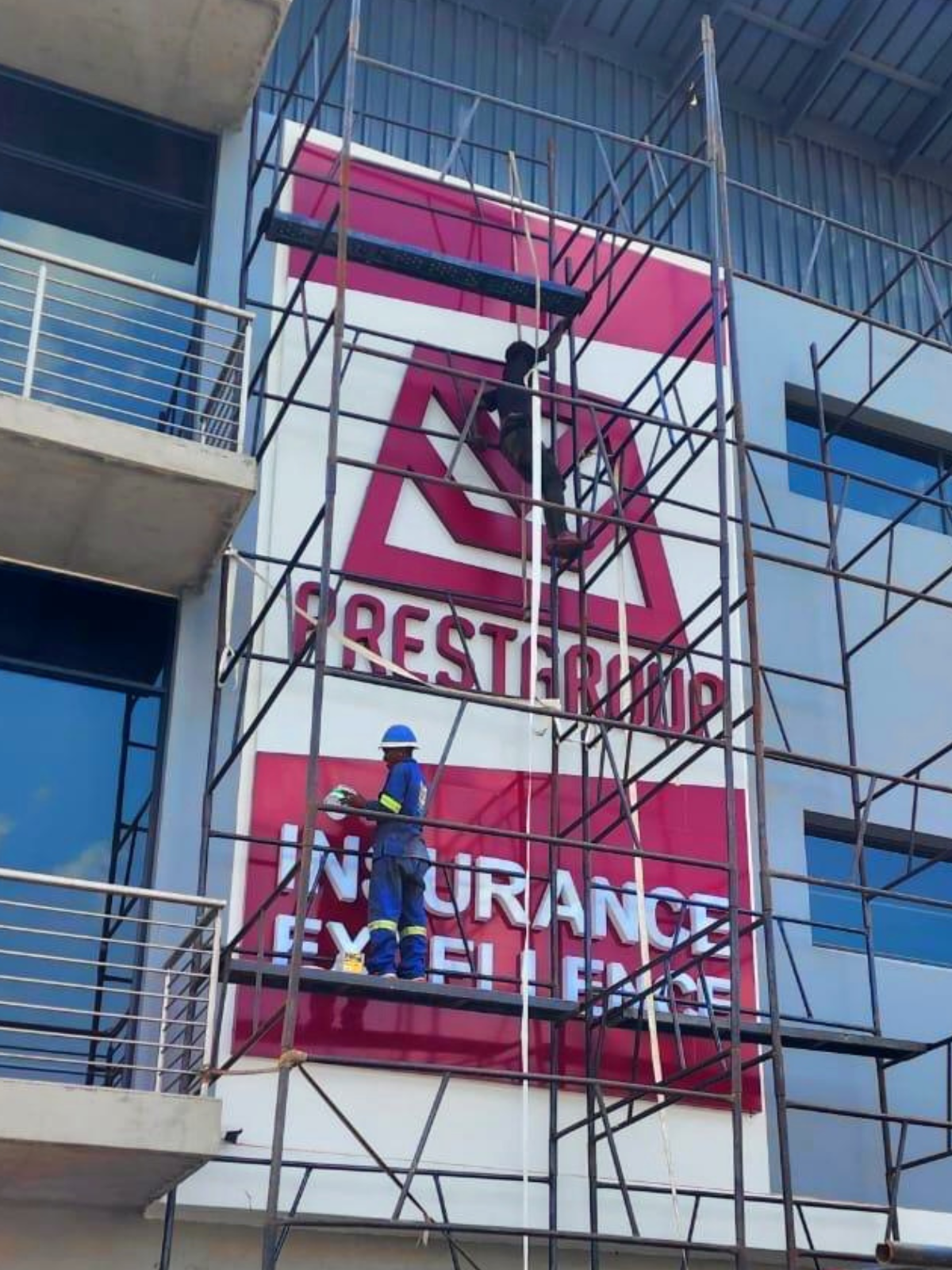
Large exterior signs must be securely engineered and professionally installed. Signage should withstand local weather conditions, wind loads, and long-term exposure to the elements.
Professional installers ensure:
- Correct mounting systems are used.
- Structural supports meet engineering requirements.
- Electrical installations comply with safety regulations.
- The finished sign remains secure for years to come.
Safety Signage Required by Code
Many workplaces are legally required to display specific safety signs. These help protect employees, contractors, and visitors while supporting occupational health and safety compliance.
Common examples include:
- Emergency exit signs.
- Fire extinguisher signage.
- No smoking signs.
- Mandatory PPE signs.
- Hazard warning signs.
- First aid signs.
- General informational signs.
- Construction safety signage.
The exact requirements depend on your industry and workplace environment.
Illuminated and Digital Signage

LED signs and digital displays continue to grow in popularity, but they may also be subject to additional regulations regarding brightness, animation, placement, and operating hours.
Proper planning ensures digital signage attracts attention without creating distractions for motorists or neighbouring businesses.
Accessibility and Wayfinding

Good signage isn't only about branding. Clear directional signage improves customer experience while helping visitors safely navigate your premises.
Many commercial properties include:
- Reception signage.
- Parking direction signs.
- Accessible entrance signs.
- Wayfinding systems.
- Emergency evacuation signage.
Well-designed wayfinding improves both compliance and customer satisfaction.
Choosing Compliant Signage Materials
The materials you select can influence both durability and compliance. Professional signage manufacturers help businesses choose materials suitable for indoor and outdoor applications while meeting local environmental conditions.
Popular options include:
- Acrylic signs.
- Metal signs.
- Perspex signs.
- Vinyl graphics.
- Composite panels.
- LED illuminated systems.
Why Professional Installation Matters

Even beautifully manufactured signs can become liabilities if installed incorrectly. Professional installation ensures correct positioning, safe mounting, proper electrical connections, and compliance with applicable regulations.
An experienced signage company can also assist with planning, manufacturing, installation, maintenance, and ongoing compliance support as your business grows.
Final Thoughts

Understanding signage regulations doesn't have to be overwhelming. By working with experienced professionals, businesses can confidently invest in signage that strengthens their brand while meeting legal and safety requirements.
At Millennium Signs, we help businesses throughout Johannesburg, Gauteng, and South Africa design, manufacture, and professionally install compliant signage solutions. From safety signage and office branding to large outdoor signs and illuminated displays, our team delivers quality workmanship backed by over 30 years of industry experience.
If you're planning new signage or upgrading existing displays, speaking to signage experts early in the process can save time, reduce costs, and ensure your business remains compliant from day one.