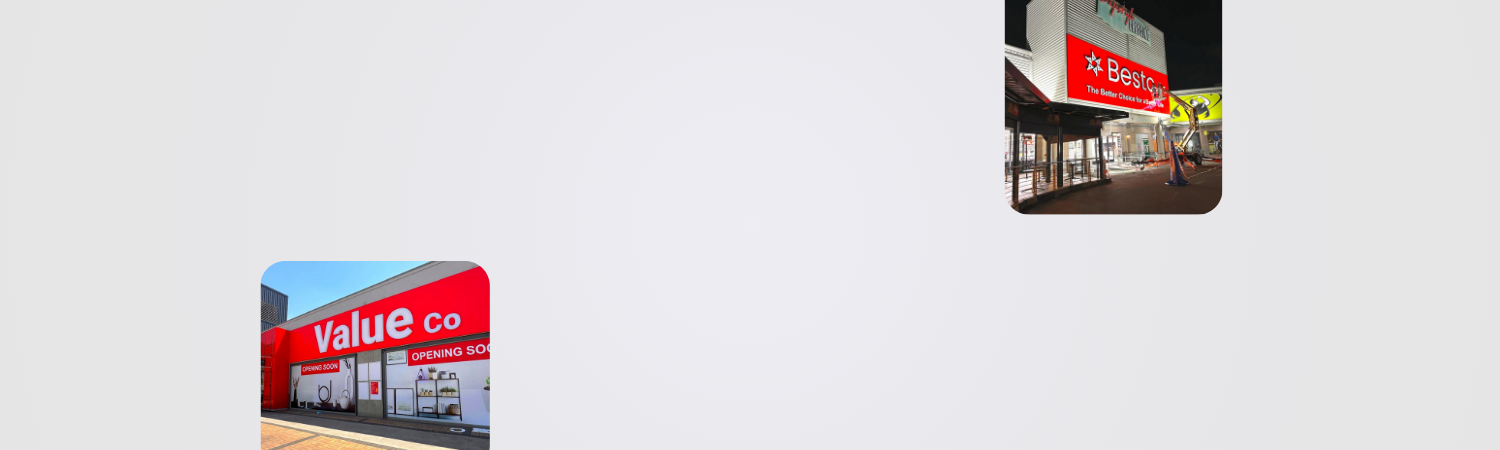

For businesses competing for customer attention, visibility is one of the most valuable assets. Whether you're trying to attract walk-in customers, promote special offers, or strengthen your brand identity, your signage plays a critical role.
Two popular options are printed window graphics and traditional signage. Both can be highly effective, but they work in different ways and offer distinct advantages depending on your business objectives.
So which one generates more attention? The answer depends on your location, branding strategy, and the message you're trying to communicate.
What Are Window Graphics?

Window graphics are printed or stencil-cut designs applied directly to glass surfaces. They can include logos, promotional messages, business information, branding elements, product images, or decorative designs.
Popular types of window signage include:
• Printed window graphics
• Stencil cut window graphics
• Frosted vinyl graphics
• One-way vision graphics
• Promotional window displays
• Full-window branding wraps
Window graphics allow businesses to transform ordinary glass into valuable advertising space.
What Is Traditional Signage?

Traditional signage refers to physical signs installed on buildings, walls, shopfronts, poles, or freestanding structures. These signs are often the primary identifier of a business location.
Examples include:
• Outdoor signs
• Building signs
• 3D signs
• Metal, or Perspex Signs">Acrylic signs
• Metal signs
• Illuminated signs
• Lightbox signage
• Pylon signs
Traditional signage serves as a permanent branding and visibility solution for businesses of all sizes.
Why Window Graphics Attract Attention

Window graphics are particularly effective because they utilize space that would otherwise remain unused.
Key Benefits of Window Graphics
• Turn storefront windows into marketing tools
• Promote products, specials, and events
• Enhance brand visibility at street level
• Cost-effective compared to many large signs
• Easy to update when campaigns change
• Create visual interest for passing traffic
For retail businesses, window graphics often capture attention from pedestrians who are already close to the store.
Best Uses for Window Graphics
• Retail stores
• Restaurants and cafés
• Shopping centres
• Car dealerships
• Beauty salons
• Service businesses
Because window graphics are positioned directly in customers' line of sight, they can be highly effective at encouraging walk-in traffic.
Why Traditional Signage Still Matters

While window graphics are excellent promotional tools, traditional signage remains essential for establishing business presence and long-term brand recognition.
Key Benefits of Traditional Signage
• Makes your business easy to locate
• Increases visibility from longer distances
• Reinforces brand identity
• Builds professionalism and credibility
• Provides 24/7 advertising
• Suitable for all business types
A professionally designed sign often creates a stronger first impression than temporary promotional graphics.
Best Uses for Traditional Signage
• Corporate offices
• Commercial buildings
• Retail centres
• Industrial facilities
• Hotels
• Educational institutions
Traditional signs help customers identify your business before they reach your premises.
Which Generates More Attention?

For Close-Range Traffic
Window graphics often perform better when customers are already walking or driving past your storefront.
Large visuals, special offers, and vibrant branding can quickly attract attention and encourage customers to enter your business.
For Long-Range Visibility
Traditional signage is generally more effective.
Building signs, pylon signs, and illuminated signage can be seen from much greater distances, helping customers locate your business before they arrive.
For Promotional Campaigns
Window graphics usually have the advantage.
They allow businesses to advertise sales, seasonal offers, product launches, and promotions without investing in entirely new signage.
For Brand Authority
Traditional signage often wins.
Permanent signs create a sense of stability, professionalism, and trustworthiness that customers associate with established businesses.
What Are the Different Types of Signage Used by Businesses?

Businesses often combine multiple signage types to maximize visibility.
Common examples include:
• Window signage
• Vinyl signs
• Outdoor signs
• Building signs
• Lightbox signage
• LED signage
• Pylon signs
• Directional signs
• Safety signs
• Billboards
The most successful businesses typically use several signage solutions together rather than relying on a single format.
The Best Solution: Combining Both

Rather than choosing one over the other, many businesses achieve the best results by using both window graphics and traditional signage.
For example:
• A building sign identifies the business from a distance.
• Window graphics promote products and offers up close.
• Interior branding reinforces the customer experience.
• Directional signage improves navigation.
This layered approach increases visibility at every stage of the customer journey.
Why Professional Design Matters

Whether you're investing in window graphics or traditional signage, professional design and installation are essential. Poorly designed signage can confuse customers and weaken your brand image.
At Millennium Signs, we design, manufacture, and install custom signage solutions tailored to your business objectives. From printed window graphics and vinyl signs to building signs, illuminated signage, and retail branding solutions, our team helps businesses across Johannesburg and Gauteng maximize visibility and attract more customers.
When used strategically, both window graphics and traditional signage can become powerful tools for growing your business and strengthening your brand presence.