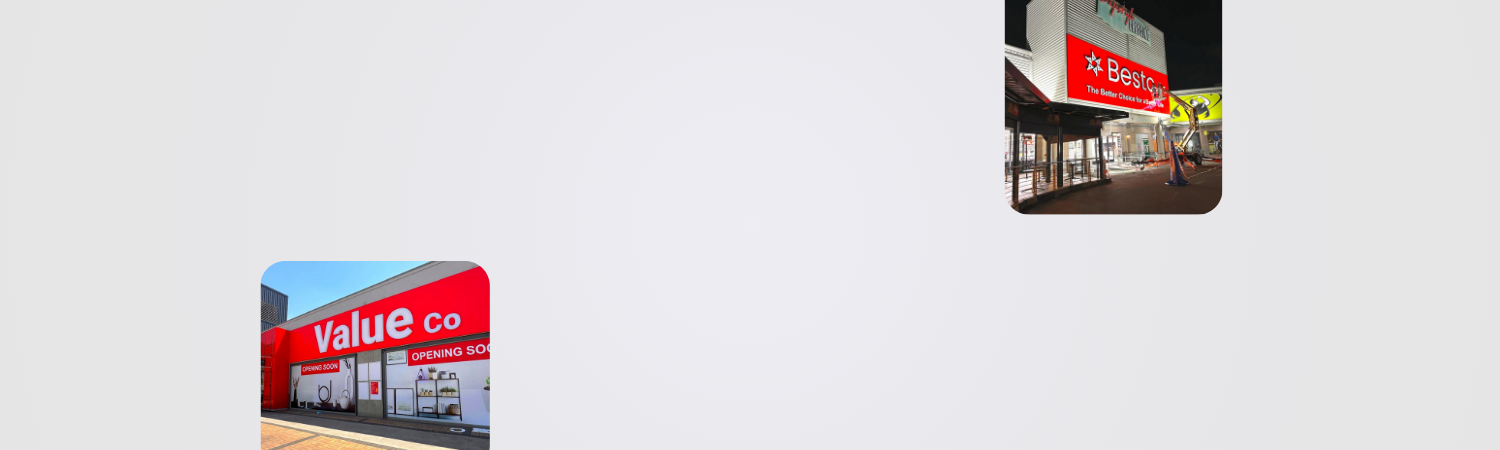
When it comes to custom signage design, not all files are created equal. The type and quality of your artwork directly impact how your sign will look once it’s produced—especially for large format prints and precision-cut signage.
Let’s simplify what you need.
✅ Best File Formats for Signage
These are the preferred formats used in professional signage solutions:
-Vector files (.AI, .EPS, .PDF with editable vectors): Best option for scalability and sharp results
-SVG files: Great for web-based logos and adaptable for print
-High-resolution PDFs: Ideal if exported correctly from design software
-PSD files (Photoshop): Useful if layered and high resolution (300 DPI or higher)
-High-resolution JPEG/PNG: Acceptable only if large and clear (not pixelated)
👉 Why vector files matter:
Vector files can be resized infinitely without losing quality. Whether your sign is small or a massive billboard, the design stays crisp.
⚠️ File Types to Avoid
Some files might look fine on your screen but won’t work well for signage production:
-Low-resolution images pulled from websites
-WhatsApp-compressed images
-Screenshots
-Word or PowerPoint files (unless exported properly)
These often lead to blurry prints or require redesign work, which can delay your project.
📁 Can I Just Send My Logo?
Yes—you absolutely can send your logo. But here’s what helps speed things up:
-Original design files from your designer (AI, EPS, or PDF)
-Brand guidelines (if available)
-Any fonts used in the design
-Color references (Pantone, CMYK, or RGB)
If you’re unsure, just send what you have. A professional signage team like Millennium Signs can review and guide you.
🛠️ What If I Don’t Have the Right Files?
No problem. Many businesses don’t have access to original artwork files. In that case:
-Your design may need to be recreated (vectorized)
-Additional design time may be required
-You’ll still get a clean, professional result
Millennium Signs offers full custom signage design services to help rebuild or enhance your artwork for production-ready quality.
🚀 Pro Tips to Speed Up Your Signage Project
Want to avoid delays and get your signage installed faster?
-Send vector files whenever possible
-Ensure images are at least 300 DPI
-Include all branding elements upfront
-Communicate your sign size and placement
-Ask your signage provider if you're unsure
The more complete your files are, the smoother your project will go.
Final Thoughts
Getting your files right from the start makes a huge difference in the quality and turnaround time of your signage. Whether you’re ordering outdoor signs, office signage, or large format prints, using the correct formats ensures your brand looks sharp, professional, and impactful.
At Millennium Signs, we’re here to make the process simple—from file setup to final installation. If you’re unsure about your files, just reach out—we’ll help you get everything ready for production.