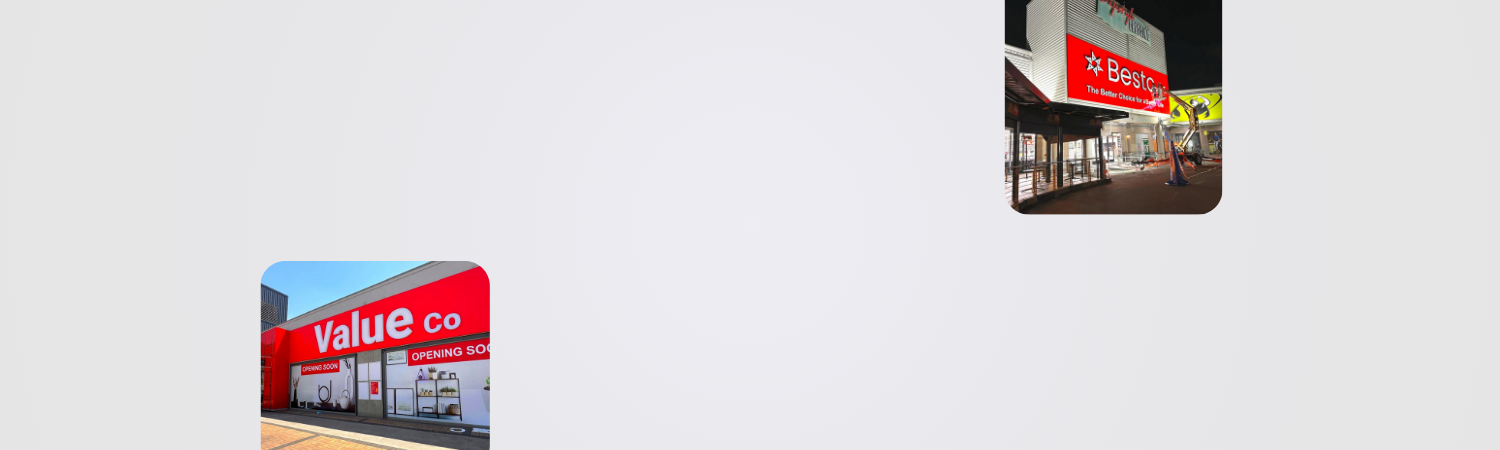
Choosing the right signage for your business isn’t just about looks—it’s about impact, functionality, and long-term value. With so many options available today, one of the most common questions businesses ask is: Should I go digital or stick with traditional signage?
Let’s break it down in a way that actually helps you decide.
What is Digital Signage?
Digital signage refers to electronic displays used to showcase content like ads, announcements, or branding. This includes:
- LED signs
- Digital billboards
- Interactive screens
- Lightbox signage with dynamic elements
Unlike static signs, digital signage allows you to update content in real-time. Running a promotion today and a different one tomorrow? No problem—just update the display.
What is Traditional Signage?
Traditional signage includes physical, non-digital signs such as:
- Acrylic signs
- Metal signs
- Wooden signs
- Vinyl signs
- 3D fabricated lettering
- Billboards and building signs
These are static but highly effective for consistent branding and long-term visibility.
Pros of Digital Signage
- Dynamic and eye-catching visuals that attract attention
- Easy to update content anytime
- Ideal for promotions, menus, and announcements
- Modern and high-tech brand appeal
- Great visibility at night with illuminated displays
Cons of Digital Signage
- Higher upfront investment
- Requires electricity and occasional maintenance
- May not suit all locations or brand styles
Pros of Traditional Signage
- Cost-effective and durable
- Low maintenance once installed
- Perfect for long-term branding
- Wide range of materials and finishes (acrylic, metal, perspex)
- Works well for outdoor signs and building signage
Cons of Traditional Signage
- Content cannot be changed easily
- Less interactive compared to digital options
- May not stand out as much in highly competitive areas
Which One is Better?
There’s no one-size-fits-all answer—it depends on your business needs.
Choose digital signage if:
- You frequently update promotions or messaging
- You want a modern, high-impact look
- Your business operates in a high-traffic or competitive area
Choose traditional signage if:
- You want a cost-effective, long-lasting solution
- Your branding doesn’t change often
- You need durable outdoor or building signs
The Smart Approach: Combine Both
Many successful businesses use a mix of both digital and traditional signage. For example:
- A bold outdoor sign for brand visibility
- LED signage or digital billboards for promotions
At Millennium Signs, we specialize in helping businesses across Johannesburg and Gauteng find the perfect balance. From custom LED signs to precision-crafted 3D signage, we tailor every solution to your brand and budget.
Final Thoughts
Digital signage offers flexibility and modern appeal, while traditional signage provides reliability and timeless branding. The best choice comes down to how you want to communicate with your audience.
If you’re unsure, working with an experienced signage partner can make all the difference. With over 30 years of expertise, Millennium Signs can guide you toward a solution that not only looks great—but delivers real results.