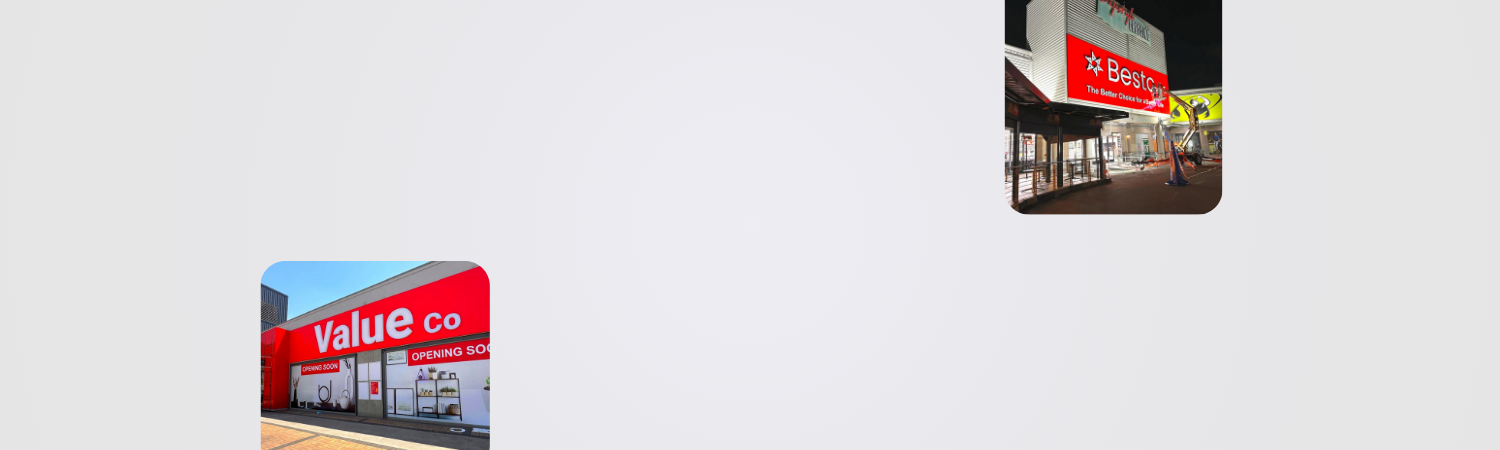
Indoor vs Outdoor Signs: What’s the Difference?
At a basic level, the difference comes down to purpose and environment.
Outdoor signs are built to:
-Grab attention from passing traffic
-Increase brand visibility
-Drive foot traffic into your business
-Withstand weather conditions (sun, rain, wind)
Indoor signage is designed to:
-Enhance your interior space
-Guide customers with directional signs
-Reinforce branding through visuals and messaging
-Improve the overall customer experience
Both play unique roles, and choosing the right one depends on how customers interact with your space.
The Benefits of Outdoor Signs
Outdoor signs are your first impression—they’re often the reason someone notices your business in the first place.
Key benefits include:
-High visibility for walk-in and drive-by traffic
-Strong brand presence with building signs or billboards
-24/7 marketing with illuminated signs or lightboxes
-Durability using materials like metal, acrylic, or composite boards
From large building signs to custom LED signage, outdoor solutions are essential for businesses looking to stand out in competitive areas.
The Benefits of Indoor Signage
Once customers step inside, indoor signage takes over.
Here’s why it matters:
-Creates a professional and welcoming environment
-Improves navigation with clear directional signage
-Reinforces brand identity through wall graphics and reception signs
-Supports promotions, menus, or product displays
Indoor signs may not attract customers initially, but they play a huge role in customer retention and experience.
Do You Need Both Indoor and Outdoor Signs?
In most cases—yes.
A strong signage strategy includes both:
-Outdoor signs bring customers in
-Indoor signage keeps them engaged
For example:
-A retail store might use outdoor signage to attract shoppers, then indoor signage to highlight promotions
-An office space may rely on building signs for visibility and indoor signage for branding and navigation
Using both ensures a seamless brand experience from the outside in.
How to Choose the Right Signage for Your Business
When deciding between indoor signage, outdoor signs, or both, consider:
-Your location (busy street vs office park)
-Your business type (retail, corporate, industrial)
-Your budget and long-term goals
-Visibility needs (daytime vs night-time exposure)
The best approach is often a custom combination tailored to your business.
Why Work with Millennium Signs?
At Millennium Signs, we don’t believe in one-size-fits-all solutions. With over 30 years of experience, we design, manufacture, and install signage that’s tailored to your brand and environment.
Whether you need:
-Outdoor building signs that turn heads
-Indoor office signage that elevates your space
-LED and illuminated signs for maximum visibility
Our team handles everything—from concept to installation—ensuring your signage works as hard as your business does.