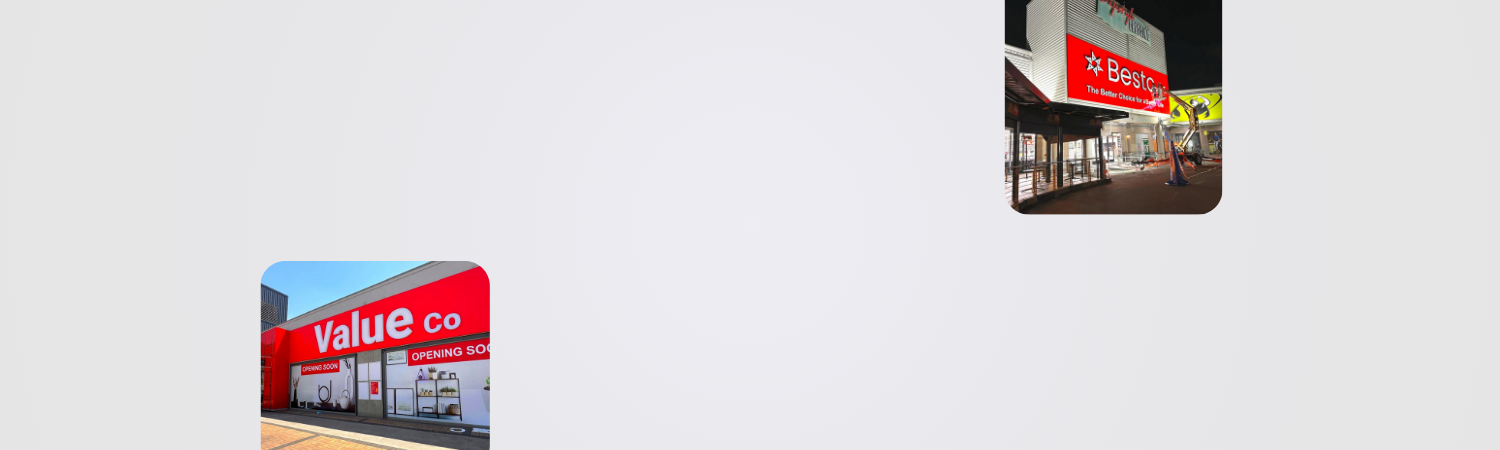
If you’ve invested in custom signs for your business, installation day is where everything comes to life. Whether it’s bold building signs, sleek office signage, or eye-catching outdoor signage, knowing what happens during the process can help you feel prepared and confident.
At Millennium Signs, installation isn’t just about putting up a sign—it’s about precision, safety, and making sure your brand looks its absolute best. Here’s a simple breakdown of what you can expect.
1. Site Assessment & Preparation
Before installation begins, the team conducts a final site check. This ensures measurements are correct, surfaces are ready, and any structural considerations are accounted for.
You may need to clear the installation area or ensure access to power sources if you’re installing illuminated signs or custom LED signs.
2. Safety Checks & Equipment Setup
Professional installers arrive with the right tools and safety gear. For larger outdoor signs or elevated building signs, equipment like scaffolding, lifts, or harnesses may be used.
Safety is always a top priority—for both the installation team and your property.
3. Positioning & Alignment
This is where precision matters most. The team carefully marks out the exact placement of your signage to ensure perfect alignment and visibility.
Whether it’s 3D signs, channel lettering, or lightbox signage, proper positioning ensures your sign makes maximum impact.
4. Mounting & Installation
Once everything is aligned, the sign is securely mounted. Depending on the type, this could involve drilling, bolting, or adhesive applications.
For digital signage or illuminated options, electrical connections are handled professionally and safely.
5. Electrical & Lighting Setup (If Applicable)
If your signage includes lighting—like LED backlit signs or light box signs—the team will connect and test all electrical components.
This step ensures your signage shines brightly and consistently, day and night.
6. Final Inspection & Clean-Up
Before wrapping up, installers conduct a thorough inspection to check stability, alignment, and overall finish.
They’ll also clean the area, leaving your space neat and your signage ready to impress.
Do You Need to Prepare Anything?
In most cases, preparation is minimal—but helpful. Here’s what you can do:
- Ensure clear access to the installation area
- Inform staff or tenants about the installation schedule
- Confirm access to electricity if needed
- Remove any obstacles near the mounting location
Working with a full-service provider like Millennium Signs means most of the heavy lifting is handled for you—from planning to final installation.
Why Professional Sign Installation Matters
Proper installation ensures your signage is:
- Secure and long-lasting
- Compliant with safety standards
- Perfectly aligned and visually impactful
- Functioning correctly (especially for illuminated signage)
Cutting corners during installation can lead to costly repairs or safety risks—so it’s always worth trusting experienced professionals.
Final Thoughts
Sign installation is the final step in transforming your brand into a physical presence. With the right team, the process is smooth, efficient, and even exciting.
At Millennium Signs, every installation is handled with care, precision, and a commitment to excellence—so your business stands out from day one.