
Shopping centres and retail complexes are busy environments. Visitors arrive looking for particular stores, restaurants, entertainment areas, parking facilities and essential services. With so much happening under one roof, finding the right way around should feel simple rather than frustrating.
This is where well-planned shopping centre signage makes a real difference. The right combination of entrance signs, tenant directories, directional signs and outdoor pylons helps visitors navigate the property while giving the entire development a consistent and professional appearance.
For mall operators, architects and property developers, choosing signage is about more than aesthetics. It is about creating a practical signage system that supports tenants, improves visitor experiences and strengthens the identity of the shopping destination.
Why Is Good Shopping Centre Signage Important?

Imagine arriving at a large shopping centre for the first time. You need to find parking, locate a particular store and work out which entrance is closest. Without clear signage, even a well-designed retail complex can become confusing.
Effective mall signage helps solve these problems by providing clear information at the right locations.
Some of the main benefits include:
- Improved navigation: Visitors can locate stores, entrances, exits and facilities without unnecessary confusion.
- Better tenant visibility: Individual businesses benefit from signage that makes their locations easier to identify.
- Stronger property branding: Consistent signage creates a recognisable identity across the entire development.
- Improved visitor experience: Clear directions make shopping centres more comfortable and convenient to explore.
- Professional presentation: Well-designed signage gives the property a more organised and welcoming appearance.
- Better traffic flow: Directional information helps guide vehicles and pedestrians through busy areas.
1. Entrance Signs That Make a Strong First Impression

Entrance signage is often the first thing visitors notice when approaching a shopping centre. It identifies the property, reinforces its brand identity and helps people recognise that they have arrived at the correct destination.
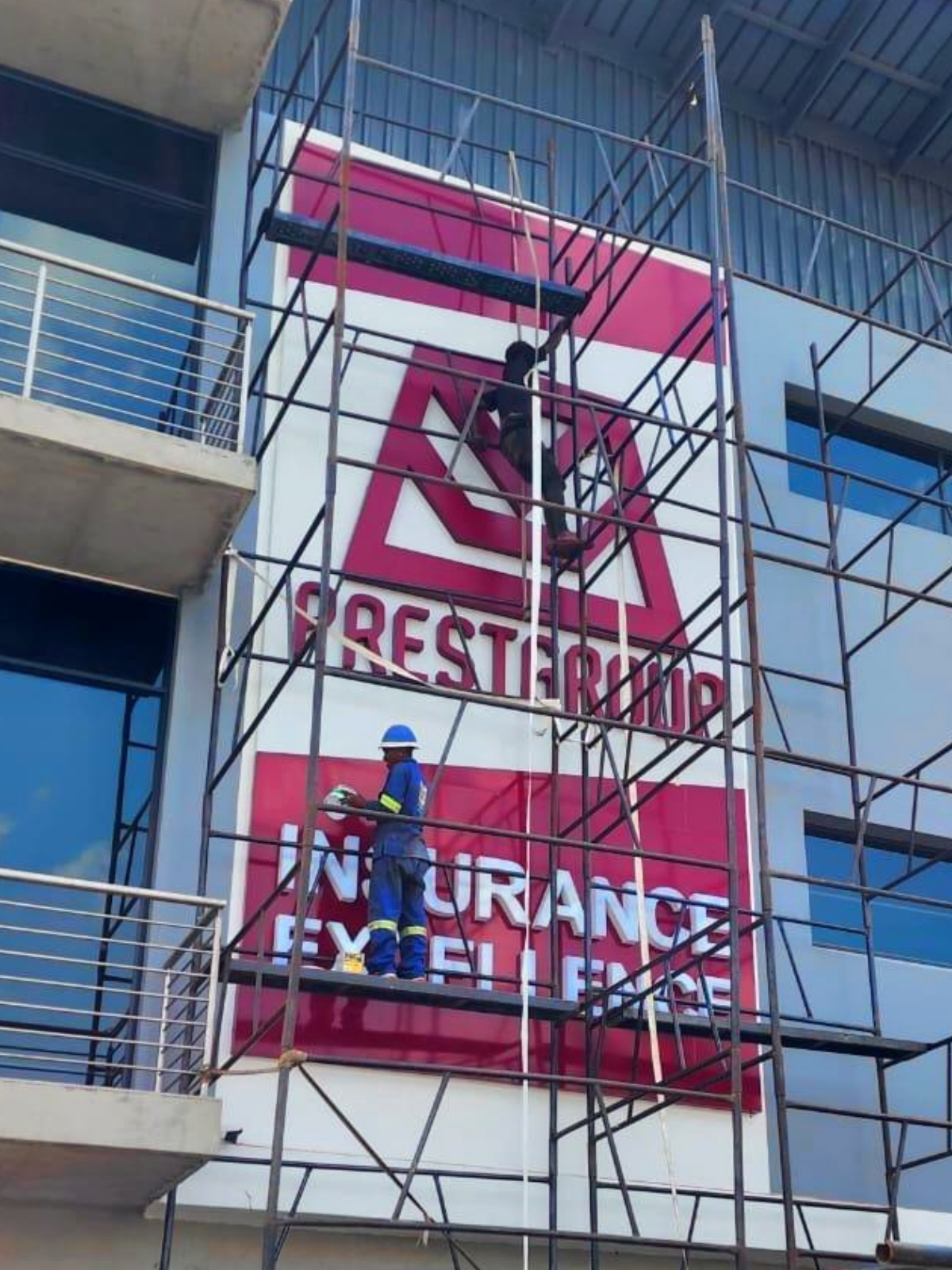
Large outdoor building signs, illuminated letters and custom entrance signage can make a shopping centre stand out, particularly in busy commercial areas where several developments compete for attention.
When planning entrance signs, consider:
- Visibility from a distance: The shopping centre name should be easy to recognise from approaching roads and access points.
- Brand consistency: Colours, lettering and design should reflect the property's established identity.
- Lighting: Illuminated signs can improve visibility during evenings and darker conditions.
- Building architecture: Sign dimensions, materials and positioning should complement the structure.
- Weather resistance: Outdoor signs need suitable materials and construction to withstand local weather conditions.
For larger developments, custom building signs and roof-mounted signage can provide additional visibility from surrounding roads and buildings.
2. Multi-Tenant Pylons for Shopping Centre Visibility

One of the most useful signage solutions for shopping centres is a multi-tenant pylon. These are freestanding outdoor structures that display the names or logos of multiple businesses within the same retail complex.
Unlike a standard business sign that promotes one company, a multi-tenant pylon provides a shared advertising and identification point for several tenants.
These signs are particularly useful near shopping centre entrances, along main roads, at access points and in large retail developments with multiple buildings or sections.
Why choose multi-tenant pylons?
- They help visitors identify the businesses operating within the complex.
- They improve tenant exposure to passing motorists and pedestrians.
- They create a centralised and organised display of business names.
- They can accommodate several tenants within one signage structure.
- They help establish a strong visual identity for the shopping centre.
Multi-tenant pylons can be customised with different panel sizes, branding elements, materials and illumination options. Depending on the development, a property may benefit from a traditional pylon, a monument pylon or a custom LED lightbox pylon.
When designing these structures, it is important to consider the number of tenants, viewing distances, road speeds, available space and future tenant changes. A well-planned design should allow for updates without compromising the overall appearance of the sign.
3. Directional Signs That Make Navigation Easier

Directional signs, also known as wayfinding signage, guide visitors from one area of a shopping centre to another. They help people understand where they are, where they need to go and which route to follow.
These signs are especially important in large malls, multi-level developments and retail complexes with several parking areas, entrances and separate buildings.
Common types of directional signs include:
- Parking direction signs: Guide vehicles towards parking entrances, exits and designated parking areas.
- Floor direction signs: Help visitors locate different levels, escalators, lifts and staircases.
- Store direction signs: Point visitors towards particular shops, retail sections and anchor tenants.
- Facility signs: Identify toilets, information desks, baby-changing facilities and other shared amenities.
- Exit and emergency signs: Help people identify exits and emergency routes in accordance with applicable safety requirements.
- Outdoor directional signs: Guide visitors between separate buildings, access roads and external facilities.
Good directional signage should be easy to read, logically positioned and consistent throughout the property. Avoid overcrowding signs with too much information. Simple wording, recognisable symbols and clear arrows generally make navigation easier.
4. Tenant Directories and Shopping Centre Maps
Have you ever entered a shopping centre and immediately looked for a directory to find a particular store? Tenant directories provide exactly this kind of assistance.
They display information about businesses operating within the shopping centre, helping visitors identify store locations and plan their routes.
Directories are commonly installed near main entrances, information desks, escalators and central pedestrian areas.
An effective tenant directory should include:
- Store names and recognisable business logos.
- Floor numbers and shop or unit numbers.
- A clear shopping centre map or floor layout.
- Useful symbols for toilets, lifts, parking and other facilities.
- Information about major attractions and anchor tenants.
- Consistent colours and typography that match the shopping centre's branding.
For larger developments, directories may need to be installed at several strategic locations. This makes information easier to access without requiring visitors to return to the main entrance.
Digital directories can also be considered where interactive navigation or frequently updated tenant information is important. Traditional printed directories remain a practical option where simple, reliable information is required.
5. Indoor and Outdoor Retail Signage

Shopping centres need a combination of indoor and outdoor signage to create a complete visitor experience. Each environment has different requirements, so the materials, finishes and construction methods should be selected accordingly.
Outdoor retail signage
Outdoor signage helps identify the shopping centre and its tenants before visitors enter the property.
Popular options include:
- Large building signs and roof-mounted signs.
- Freestanding multi-tenant pylons.
- Illuminated entrance signs.
- Outdoor directional signage boards.
- Parking and traffic management signs.
- Promotional billboards and advertising displays.
Outdoor signage should be designed for visibility, durability and exposure to changing weather conditions.
Indoor retail signage
Indoor signage helps visitors navigate the shopping centre and supports individual tenant branding.
Common options include:
- Tenant directories and shopping centre maps.
- Reception and information desk signs.
- Storefront signs and 3D lettering.
- Wall-mounted directional signs.
- Floor identification and facility signs.
- Promotional displays and illuminated lightboxes.
Materials such as acrylic, Perspex, metal, vinyl and composite boards can be used to create different finishes depending on the design and application.
6. Choosing Between Illuminated and Non-Illuminated Signs

Lighting is another important consideration when planning shopping centre signage. Some signs need to remain visible after dark, while others are positioned in well-lit indoor areas where additional illumination may not be necessary.
Illuminated signage uses lighting to improve visibility and create a stronger visual impact. Popular options include LED backlit signs, illuminated channel letters and custom lightboxes.
These are particularly useful for:
- Main shopping centre identification signs.
- Outdoor multi-tenant pylons.
- Entrance and building signage.
- Retail storefront branding.
- Signs positioned in darker corridors or covered areas.
Non-illuminated signage can be an effective option for indoor directories, room identification, wall graphics and directional signs where lighting conditions are already suitable.
The best choice depends on the sign's location, viewing distance, operating hours, maintenance requirements and available budget.
7. Selecting the Right Materials for Retail Complex Signage
Shopping centre signs need to look good while remaining practical for their intended environment. Choosing suitable materials helps ensure that signage maintains its appearance and performs reliably over time.
Some commonly used signage materials include:
- Acrylic and Perspex: Suitable for modern indoor signs, lettering, display panels and illuminated applications.
- Aluminium and metal: Useful for durable outdoor signs, fabricated lettering and professional building signage.
- Vinyl: Ideal for window graphics, promotional branding and printed signage applications.
- Composite boards and ACM: Useful for flat signage panels, cladding applications and contemporary exterior finishes.
- Wood: Can create a distinctive appearance for selected retail environments and decorative signage.
The right material depends on whether the sign will be installed indoors or outdoors, whether it requires illumination, how large it needs to be and how frequently the information may change.
8. Safety and Compliance Signage Should Never Be Overlooked
Shopping centres are public environments with continuous pedestrian and vehicle movement. Clear safety signage is therefore an essential part of responsible property management.
Depending on the property's layout and applicable requirements, safety signage may include:
- Emergency exit signs.
- Fire extinguisher identification signs.
- Fire equipment and emergency information signs.
- No smoking signs.
- Wet floor warning signs.
- Mandatory PPE signs in restricted work areas.
- Vehicle speed limits and traffic direction signs.
- General caution and hazard warning signs.
Safety signs should be positioned where people can easily see and understand them. Their design, placement and specifications should meet the relevant South African safety requirements and applicable standards.
For mall operators and property developers, it is important to consider safety signage during the initial design and planning stages rather than treating it as an afterthought.
9. Create a Consistent Signage System Across the Entire Development

One of the biggest challenges in a shopping centre is maintaining consistency when multiple businesses have their own branding requirements.
Individual tenants need signage that reflects their brands, but the overall development should still look organised and professionally managed.
A coordinated signage system helps achieve this balance.
Consider the following when planning your signage:
- Establish signage guidelines: Set clear requirements for sign sizes, approved locations, materials and installation methods.
- Maintain consistent wayfinding: Use matching directional styles, colours, arrows and symbols throughout the property.
- Allow for tenant branding: Give businesses suitable opportunities to display their logos while maintaining the centre's overall visual standards.
- Plan for future changes: Use adaptable directory panels and signage structures that can accommodate new tenants.
- Consider accessibility: Make information easy to understand and accessible to visitors with different needs.
- Coordinate installation: Ensure signs are correctly positioned and securely installed according to the site requirements.
10. What Should Mall Operators Consider Before Ordering Signage?

Before investing in new shopping centre signage, it is worth taking time to assess the property's requirements. A little planning can prevent unnecessary changes and help ensure that every sign serves a useful purpose.
Here are some important questions to consider:
- How large is the shopping centre, and how many entrances does it have?
- How many tenants need to be included on directories and multi-tenant pylons?
- Where do visitors typically experience navigation difficulties?
- Which signs need to be visible from main roads or parking areas?
- Will the signage need illumination for evening visibility?
- Which materials are suitable for the installation environment?
- Are there opportunities to incorporate digital signage?
- Will tenant directories need regular updates?
- Are there any structural, electrical, safety or local approval requirements to consider?
It is also important to assess the installation site. Wall conditions, mounting surfaces, access equipment, electrical connections and surrounding structures can all influence the final signage solution.
Why Work with a Professional Signage Company?

Shopping centre signage projects often involve multiple sign types, large installations and coordination between property managers, architects, developers and tenants.
Working with an experienced signage manufacturer and installer helps bring these different requirements together. From initial design and material selection to manufacturing and on-site installation, professional support can help create a consistent result across the development.
Millennium Signs has more than 30 years of hands-on industry experience, providing customised signage solutions for businesses and commercial properties across Johannesburg, Gauteng and beyond.
Our services include:
- Custom signage design: Tailored designs that complement your shopping centre's branding and architectural style.
- Sign manufacturing: Precision-crafted signs using materials such as acrylic, metal, vinyl and composite boards.
- Multi-tenant pylons: Custom freestanding signage structures that provide visibility for multiple businesses.
- Building and outdoor signs: Professional signage for entrances, exterior walls and commercial developments.
- Indoor and directional signage: Practical wayfinding solutions, directories and interior branding.
- LED and illuminated signage: Lightboxes, LED backlit signs and illuminated lettering.
- Professional installation: On-site installation focused on accuracy, durability and a quality finish.
- Sign maintenance and repairs: Support to help maintain the appearance and functionality of existing signage.
We work with property developers, architects, retail chains, mall operators and businesses to create signage that combines practical functionality with strong visual appeal.
Make Your Shopping Centre Easier to Navigate with the Right Signage

From the moment visitors approach a shopping centre to the time they find their favourite store, signage influences how they experience the property. Clear entrance signs, well-designed tenant directories, multi-tenant pylons and effective directional signage all contribute to a more organised and welcoming retail environment.
The key is to plan signage as one connected system rather than treating every sign as a separate project. When branding, navigation, materials and installation work together, the result is a shopping centre that looks professional and is easier for visitors to explore.
Looking for custom shopping centre signage, outdoor pylons, tenant directories or professional retail signage in Johannesburg? Millennium Signs can help you develop a solution suited to your property and its requirements.
Contact Millennium Signs today to discuss your signage project.
📍 14 John Street, Unit 3, Selby, Johannesburg
📧 Mohammed@millenniumsigns.co.za
📞 072 621 3273
Millennium Signs — We don't just build signs, we build impressions.